Browse Articles

Astragalus membranaceus Root Concentration and Exposure Time: Role in Heat Stress Diminution in C. elegans

Chen et al. | Oct 17, 2018

Astragalus membranaceus Root Concentration and Exposure Time: Role in Heat Stress Diminution in <em>C. elegans</em>

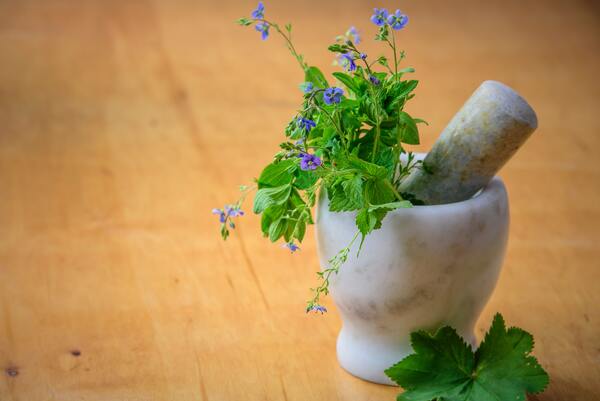
In this study, the authors investigated the biological mechanism underlying the actions of a traditional medicinal plant, Astragalus membranaceus. Using C. elegans as an experimental model, they tested the effects of AM root on heat stress responses. Their results suggest that AM root extract may enhance the activity of endogenous pathways that mediate cellular responses to heat stress.

Read More...
Impact of salinity and phosphorus on growth of Phaseolus Vulgaris inoculated with Arbuscular Mycorrhizal Fungi

Matanachai et al. | Jun 16, 2022

Impact of salinity and phosphorus on growth of <em>Phaseolus Vulgaris</em> inoculated with Arbuscular Mycorrhizal Fungi

Here, recognizing a declining supply of rock phosphate, as well as its role in crop fertilization, the authors investigated a fungus that forms a symbiotic relationship with many crops. They found that symbiosis between the fungus and common bean plant increased the affinity of the plant towards absorbing nutrients as evidenced by lower root-to-shoot ratios in beans planted in soil with various concentrations of phosphorous and salinity.

Read More...

Allelopathic Effects of Kudzu (Pueraria montana) on Seed Germination and Their Potential Use As a Natural Herbicide

Mathur et al. | Dec 19, 2013

Allelopathic Effects of Kudzu (<em>Pueraria montana</em>) on Seed Germination and Their Potential Use As a Natural Herbicide

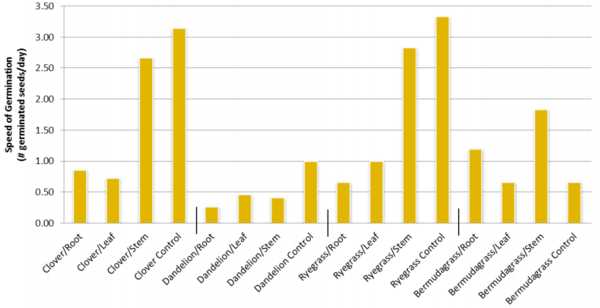
Plants in the wild compete with each other for nutrients and sunlight. Kudzu is a weed that is thought to secrete compounds that inhibit the growth of other plants. Here the authors find that certain parts of kudzu plants can block the germination of clover and dandelion seeds. These experiments may lead to a weed killer that is safe and naturally derived.

Read More...

Artificial Intelligence-Based Smart Solution to Reduce Respiratory Problems Caused by Air Pollution

Bhardwaj et al. | Dec 14, 2021

Artificial Intelligence-Based Smart Solution to Reduce Respiratory Problems Caused by Air Pollution

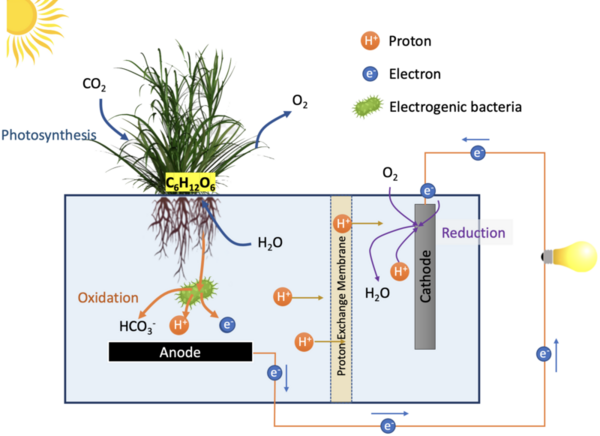
In this report, Bhardwaj and Sharma tested whether placing specific plants indoors can reduce levels of indoor air pollution that can lead to lung-related illnesses. Using machine learning, they show that plants improved overall indoor air quality and reduced levels of particulate matter. They suggest that plant-based interventions coupled with sensors may be a useful long-term solution to reducing and maintaining indoor air pollution.

Read More...

Exogenous foliar thiamine application as an alternative strategy to mitigate lead stress in Lepidium sativum

Chen et al. | Oct 28, 2026

Exogenous foliar thiamine application as an alternative strategy to mitigate lead stress in <i>Lepidium sativum</i>

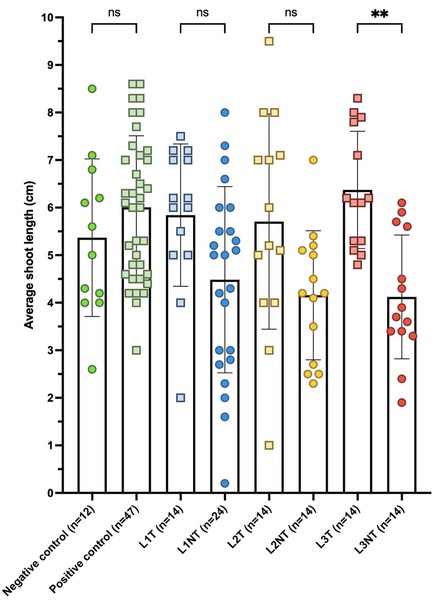
This study investigated whether thiamine (vitamin B1) could mitigate the harmful effects of lead contamination on plant growth. Using garden cress (Lepidium sativum), we found that lead exposure reduced plant growth and biomass, while thiamine treatment partially alleviated these effects, improving shoot length and overall plant length. These findings highlight the potential of thiamine as a simple strategy to improve plant resilience to heavy metal stress, with implications for agricultural productivity and food security.

Read More...

Impact of Soil Productivity on the Growth of Two Meyer Lemon Trees

Shen et al. | Dec 14, 2020

Impact of Soil Productivity on the Growth of Two Meyer Lemon Trees

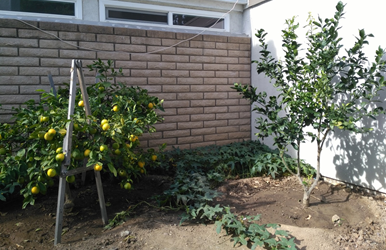
Here, the authors aimed to apply home soil testing to identify the cause of the growth differences between two lemon trees. They hypothesized that differences in physical and chemical soil characteristics were influencing differences in soil productivity and plant growth. Overall, the study demonstrated the effectiveness of home soil testing to characterize soils and help homeowners solve common gardening problems.

Read More...

The effects of early probiotic supplementation on the germination of Arabidopsis thaliana

Gambino et al. | Oct 25, 2020

The effects of early probiotic supplementation on the germination of <em>Arabidopsis thaliana</em>

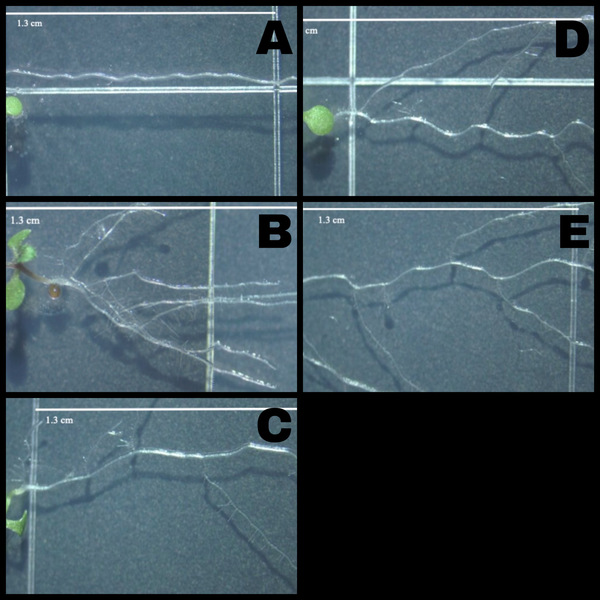
The use of fertilizers is associated with an increase in soil degradation, which is predicted to lead to a decrease in crop production within the next decade. Thus, it is critical to find solutions to support crop production to sustain the robust global population. In this study, the authors investigate how probiotic bacteria, like Rhizobium leguminosarum, Bacillus subtilis and Pseudomonas fluorescens, can impact the growth of Arabidopsis thaliana when applied to the seeds.They hypothesized that solutions with multiple bacterial species compared to those with only a single bacterial species would promote seed germination more effectively.

Read More...

Comparative screening of dose-dependent and strain-specific antimicrobial efficacy of berberine against a representative library of broad-spectrum antibiotics

Sun et al. | May 10, 2021

Comparative screening of dose-dependent and strain-specific antimicrobial efficacy of berberine against a representative library of broad-spectrum antibiotics

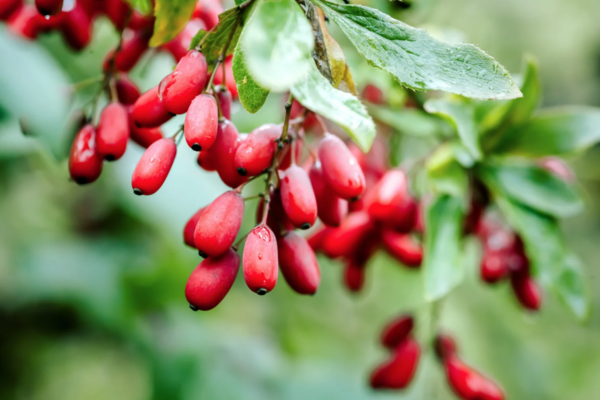
We hypothesize that berberine has broad-spectrum antibacterial properties, along with potency that is comparable to current broad-spectrum antibiotics that are commercially available. Here, we screened berberine against four strains of bacteria and evaluated its antimicrobial activity against five broad-spectrum antibiotics from different classes to better quantify berberine’s antibacterial activity and compare its efficacy as an antibacterial agent to the broad-spectrum antibiotics. Our results indicated that berberine had strain-selective cytotoxic effects and was significantly less potent than most of the broad-spectrum antibiotics

Read More...