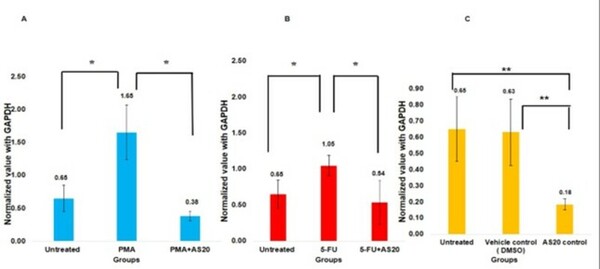
The authors found that treatment with AS20 suppressed phorbol 12-myristate 13-acetate (PMA) and 5-flurouracil (5-FU) induction of COX2 expression. We also observed AS20 treated cells showed DNA fragmentation in HeLa cells.
Read More...Apoptosis induction and anti-inflammatory activity of polyherbal drug AS20 on cervical cancer cell lines
The authors found that treatment with AS20 suppressed phorbol 12-myristate 13-acetate (PMA) and 5-flurouracil (5-FU) induction of COX2 expression. We also observed AS20 treated cells showed DNA fragmentation in HeLa cells.
Read More...Deep dive into predicting insurance premiums using machine learning
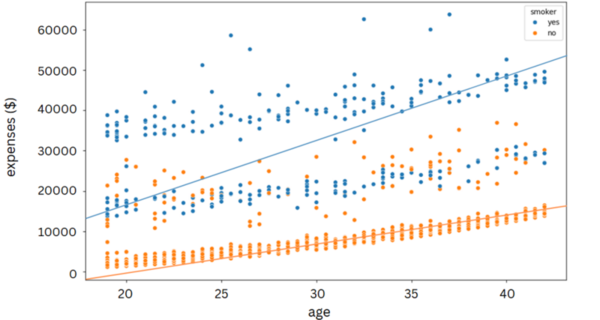
The authors looked at different factors, such as age, pre-existing conditions, and geographic region, and their ability to predict what an individual's health insurance premium would be.
Read More...Prediction of diabetes using supervised classification
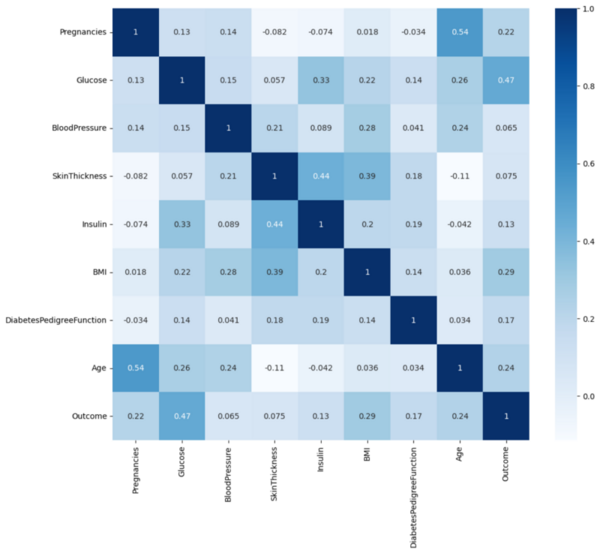
The authors develop and test a machine learning algorithm for predicting diabetes diagnoses.
Read More...Impact of gadodiamide (Omniscan) on a beef liver catalase ex vivo model

Here, seeking to better understand the effects of gadolinium-based contrast agents, dyes typically used for MRI scans, the authors evaluated the activity of catalase found in beef liver both with and without gadodiamide when exposed to hydrogen peroxide. They found that gadioamide did not significantly inhibit catalase's activity, attributing this lack of effects to the chelating agent found in gadodiamide.
Read More...Designing gRNAs to reduce the expression of the DMPK gene in patients with classic myotonic dystrophy

The authors describe the design and testing of new guide RNAs targeting the DMPK gene, which is responsible for myotonic dystrophy.
Read More...Sex differences in sleep disorders of Parkinson’s disease patients associated with a genetic risk variant
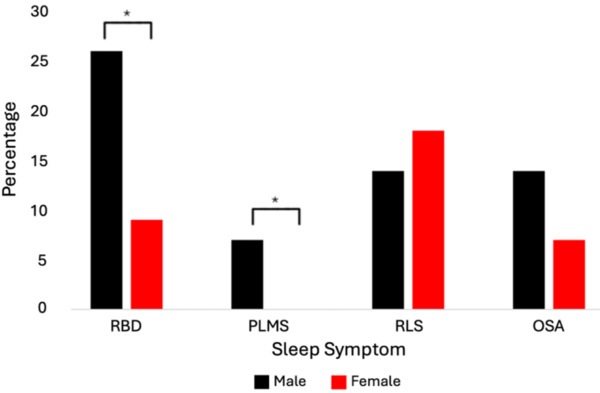
The authors use known Parkinson's disease-associated genetic variants to compare the prevalence of sleep dysfunction between males and females diagnosed with Parkinson's disease.
Read More...Refinement of Single Nucleotide Polymorphisms of Atopic Dermatitis related Filaggrin through R packages

In the United States, there are currently 17.8 million affected by atopic dermatitis (AD), commonly known as eczema. It is characterized by itching and skin inflammation. AD patients are at higher risk for infections, depression, cancer, and suicide. Genetics, environment, and stress are some of the causes of the disease. With the rise of personalized medicine and the acceptance of gene-editing technologies, AD-related variations need to be identified for treatment. Genome-wide association studies (GWAS) have associated the Filaggrin (FLG) gene with AD but have not identified specific problematic single nucleotide polymorphisms (SNPs). This research aimed to refine known SNPs of FLG for gene editing technologies to establish a causal link between specific SNPs and the diseases and to target the polymorphisms. The research utilized R and its Bioconductor packages to refine data from the National Center for Biotechnology Information's (NCBI's) Variation Viewer. The algorithm filtered the dataset by coding regions and conserved domains. The algorithm also removed synonymous variations and treated non-synonymous, frameshift, and nonsense separately. The non-synonymous variations were refined and ordered by the BLOSUM62 substitution matrix. Overall, the analysis removed 96.65% of data, which was redundant or not the focus of the research and ordered the remaining relevant data by impact. The code for the project can also be repurposed as a tool for other diseases. The research can help solve GWAS's imprecise identification challenge. This research is the first step in providing the refined databases required for gene-editing treatment.
Read More...Using CRISPR technology to inhibit the replication of human cytomegalovirus by deletion of a gene promoter
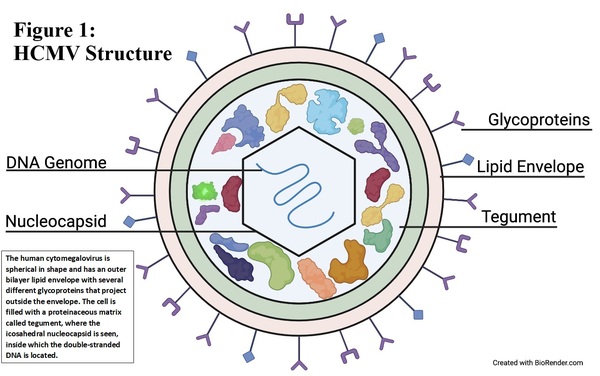
Human cytomegalovirus (HCMV) causes serious infections in immunocompromised patients and therapies to inhibit latent HCMV are not developed. Using CRISPR/Cas9, the authors were able to delete an important promoter region in HCMV.
Read More...A Quantitative Assessment of Time, Frequency, and Time-frequency Algorithms for Automated Seizure Detection and Monitoring
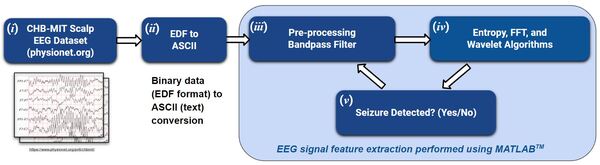
Each year, over 100,000 patients die from Sudden Unexpected Death in Epilepsy (SUDEP). A reliable seizure warning system can help patients stay safe. This work presents a comprehensive, comparative analysis of three different signal processing algorithms for automated seizure/ictal detection. The experimental results show that the proposed methods can be effective for accurate automated seizure detection and monitoring in clinical care.
Read More...Advancing pediatric cancer predictions through generative artificial intelligence and machine learning
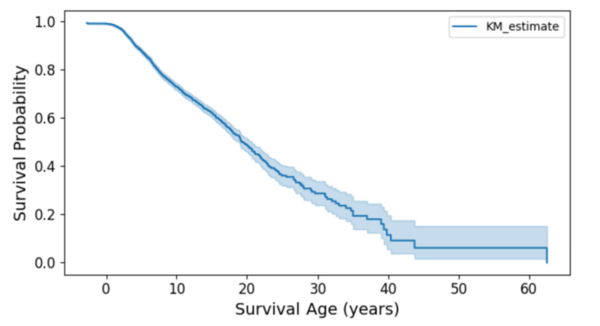
Pediatric cancers pose unique challenges due to their rarity and distinct biological factors, emphasizing the need for accurate survival prediction to guide treatment. This study integrated generative AI and machine learning, including synthetic data, to analyze 9,184 pediatric cancer patients, identifying age at diagnosis, cancer types, and anatomical sites as significant survival predictors. The findings highlight the potential of AI-driven approaches to improve survival prediction and inform personalized treatment strategies, with broader implications for innovative healthcare applications.
Read More...