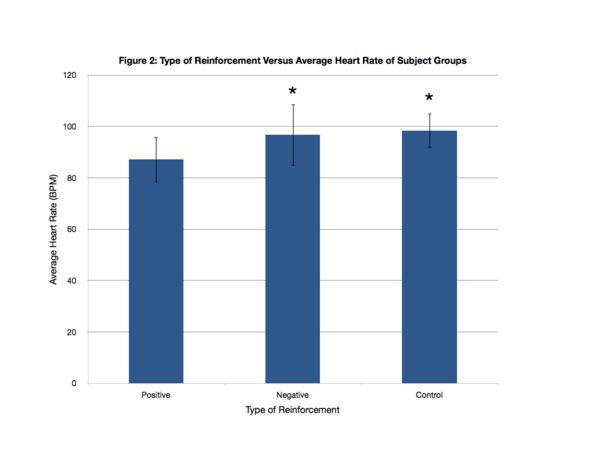
What type of motivation is more effective: reward or punishment? In this study, the authors assess the effects of positive or negative on the math scores of sixth graders.
Read More...The Effect of Positive and Negative Reinforcement on Sixth Graders’ Mental Math Performance
What type of motivation is more effective: reward or punishment? In this study, the authors assess the effects of positive or negative on the math scores of sixth graders.
Read More...Quantitatively evaluating changes in art critique journals’ use of moral language across time
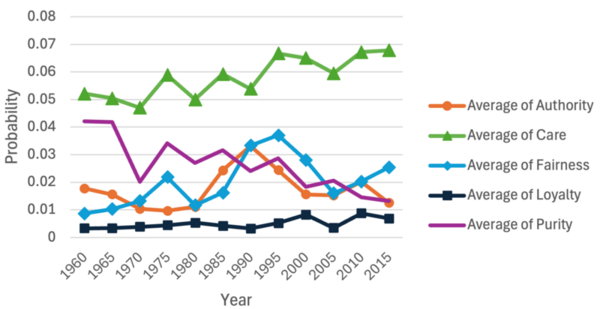
The authors use MoralBERT, a BERT-based machine learning model, to analyze the prevalence and evolution of moral language in art critique journals from 1960 to 2015. They draw on Moral Foundations Theory to examine changes in five virtue and five vice foundations over time. They discover slight increases in degradation and care and a decrease in purity among otherwise stable patterns. The study is a novel application of computational moral analysis in a domain not typically associated with such tools. Although the moral signals were relatively faint, the study offers insights into shifting art world discourses and models an exciting method for future inquiry.
Read More...Investigating the effects of PVC microplastics on the growth of Chlorella vulgaris
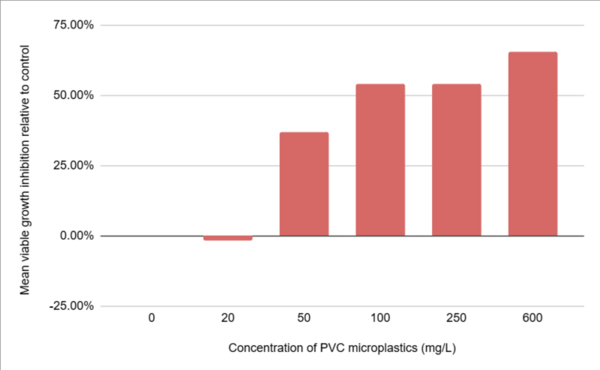
This study examined the effect of varying PVC microplastic concentrations on the growth of Chlorella vulgaris in freshwater, utilizing six PVC levels and identical culture conditions. Cell counts revealed that higher PVC concentrations consistently reduced algal growth, and a Spearman correlation test detected a significant negative monotonic association between PVC concentration and viable cell density. These results support the hypothesis that PVC microplastics impair algal growth, underscoring their ecological risk in freshwater environments.
Read More...Using machine learning to detect outliers of red clump stars
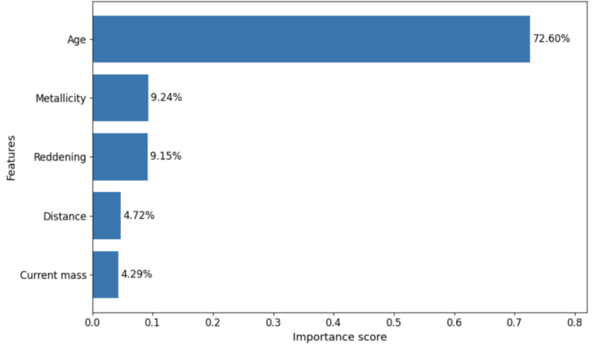
Machine learning offers a powerful way to analyze large astronomical datasets and identify stars with unusual properties. In this study, students used Extreme Gradient Boosting and Isolation Forest models to investigate why some red clump stars deviate from their expected luminosities. Their results show that stellar age plays a much stronger role than metallicity in driving luminosity variation, and the models successfully detected outlier stars that may affect distance measurements in galactic studies.
Read More...Leaky expression of PRMT1 in Escherichia coli and redox regulation of its histone methyltransferase activity
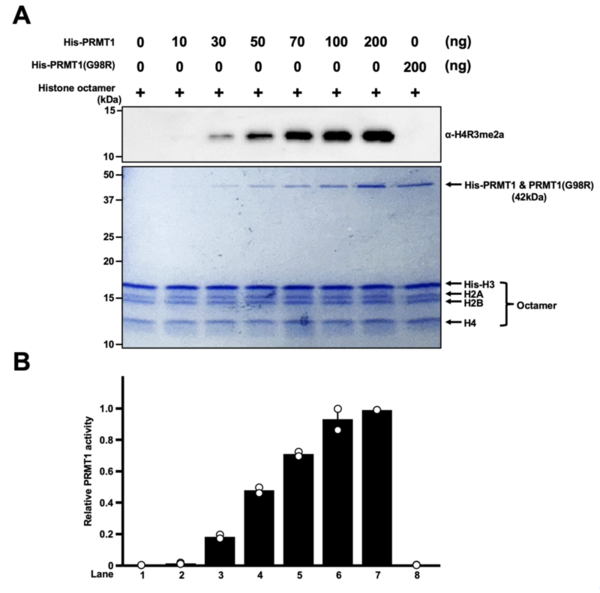
This study characterizes recombinant human Protein arginine methyltransferase 1 (PRMT1) expressed in Escherichia. coli and reveals that the enzyme exhibits leaky expression even without isopropyl β-D-1-thiogalactopyranoside (IPTG) induction. Through in vitro histone methyltransferase assays, we demonstrate that PRMT1 activity toward histone H4R3 is enhanced by dithiothreitol (DTT) in a dose-dependent manner but remains unresponsive to β-mercaptoethanol. These findings highlight the critical role of redox conditions in regulating PRMT1 catalytic function and provide a practical framework for future biochemical and kinetic studies.
Multi-omic analysis identifies mitochondrial dysfunction as a key feature of hypertrophic cardiomyopathy
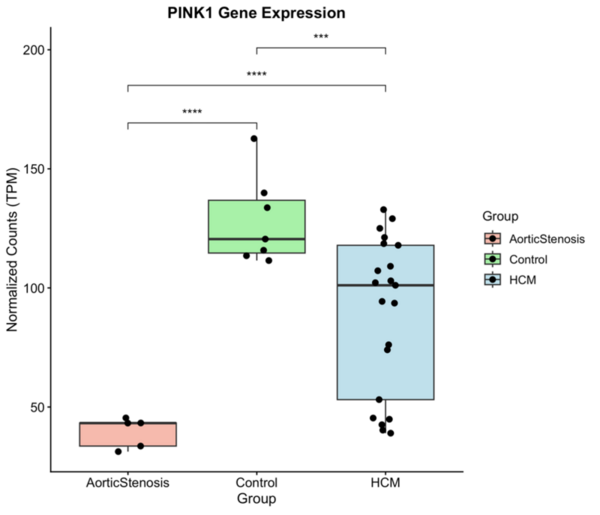
This study used multi-omic analysis to investigate gene expression and DNA methylation patterns associated with hypertrophic cardiomyopathy (HCM). The researchers found significant downregulation of mitochondrial and energy-related pathways, highlighting mitochondrial dysfunction—particularly altered PINK1 expression—as a potential contributor and therapeutic target in HCM.
Read More...In vitro effects of cosmetic products on the growth of skin-resident bacteria
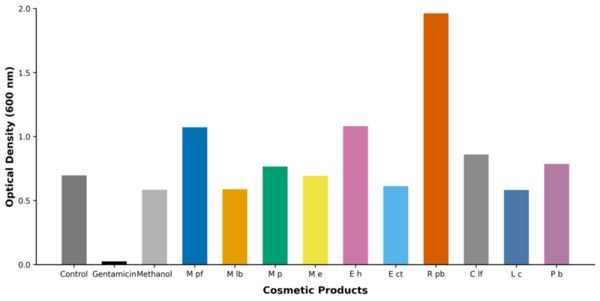
This study investigated how 18 commonly used cosmetic products affect the growth of two skin-resident bacteria, Staphylococcus epidermidis and Micrococcus luteus. At higher concentrations, half of the tested products inhibited at least one bacterial species, suggesting that some cosmetics may disrupt the skin microbiome and its natural balance.
Read More...How teaching style influences math learning: Comparing discovery and traditional instruction
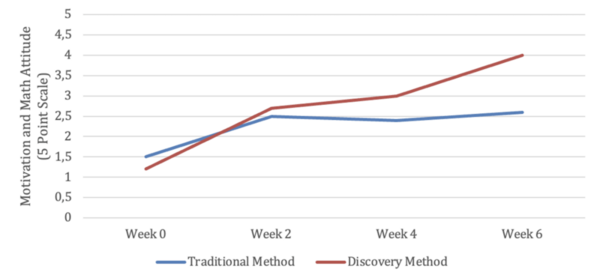
This study compares traditional and discovery-based instructional methods in online middle school mathematics education. Findings show that discovery-based learning significantly improves students’ academic performance and attitudes, highlighting the value of inquiry-driven instruction for enhancing both understanding and motivation.
Read More...Analysis of bending loss in single-mode optical fiber with low-cost setup

This study investigates how bending radius, wavelength, and number of turns affect signal attenuation in single-mode optical fibers.
Read More...The relationship between meteorological factors and air quality in Washington D.C. metropolitan area
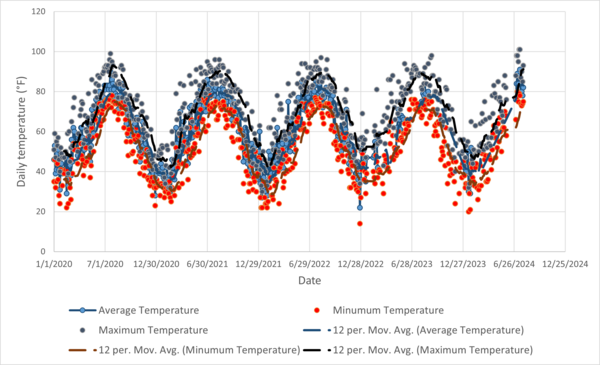
The authors studied the relationship between air quality and weather conditions (wind speed, precipitation, and temperature) in the Washington D.C. area.
Read More...