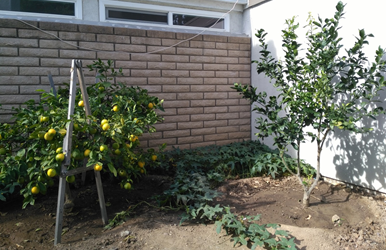
Here, the authors aimed to apply home soil testing to identify the cause of the growth differences between two lemon trees. They hypothesized that differences in physical and chemical soil characteristics were influencing differences in soil productivity and plant growth. Overall, the study demonstrated the effectiveness of home soil testing to characterize soils and help homeowners solve common gardening problems.
Acid rain has caused devastating decreases in ecosystems across the globe. To mimic the effect of acid rain on the environment, the authors analyzed the growth of gram-negative (Escherichia coli) and gram-positive (Staphylococcus epidermidis) bacteria in agar solutions with different pH levels. Results show that in a given acidic environment there was a significant decrease in bacterial growth with an increase in vinegar concentration in the agar, suggesting that bacterial growth is impacted by the pH of the environment. Therefore, increased levels of acid rain could potentially harm the ecosystem by altering bacterial growth.
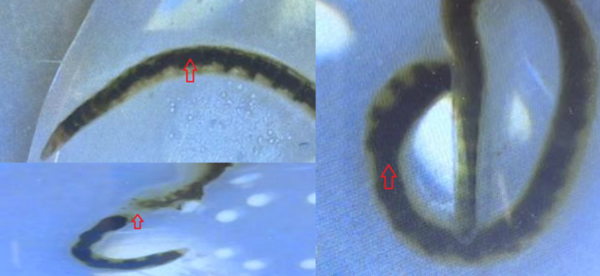
This study examines the effects of tumeric, and alph-lipoic acid on segment regeneration and cardiovascular pulse rate, using the California blackworm. Results can ultimately demonstrate potential natural compounds for tissue repair and their effect on physiological activity.
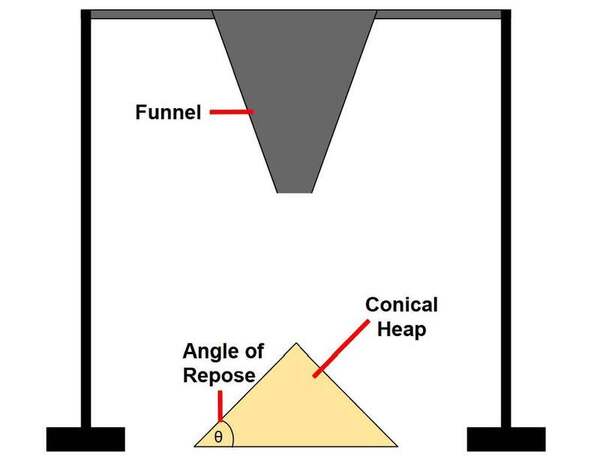
When granular materials are poured onto a surface, they form conical piles whose slopes increase before reaching a stable angle of repose. We found that this angle evolution follows a previously unrecognized two-phase exponential growth pattern that is conserved across granular materials with diverse particle properties. The parameters of this model correlate with particle friction and are influenced by deposition conditions, providing a quantitative framework for describing pile formation.
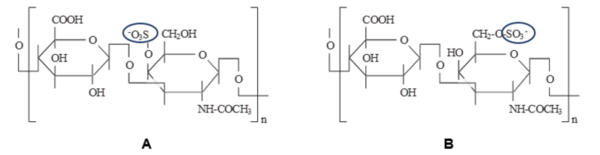
Heavy metal contamination from transportation can damage soil and vegetation by increasing oxidative stress, disrupting enzymes, and impairing photosynthesis. This study investigated whether chondroitin sulfate (CS) could reduce the harmful effects of contaminated roadside soil on plant growth by binding with metal ions.
Here, seeking to better understand how facial features provide important visual cues to help convey emotions, the authors evaluated the accuracy and reaction time of participants in regards to experimental photographs where a person's eyebrows were obscured and ones where they were not. Their findings revealed that removing eyebrows resulted in a significant decrease in a participant's ability to recognize anger, with adolescents most likely to misidentify emotions.
The electronic health record (EHR), along with its mobile application, has demonstrated the ability to improve the efficiency and accuracy of health care delivery. This study included data from 874 health care providers over a 12-month period regarding their usage of mobile phone (EPIC® Haiku) and tablet (EPIC® Canto) mEHR. Ambulatory and inpatient care providers had the greatest usage levels over the 12-month period. Awareness of workflow allows for optimization of mEHR design and implementation, which should increase mEHR adoption and usage, leading to better health outcomes for patients.
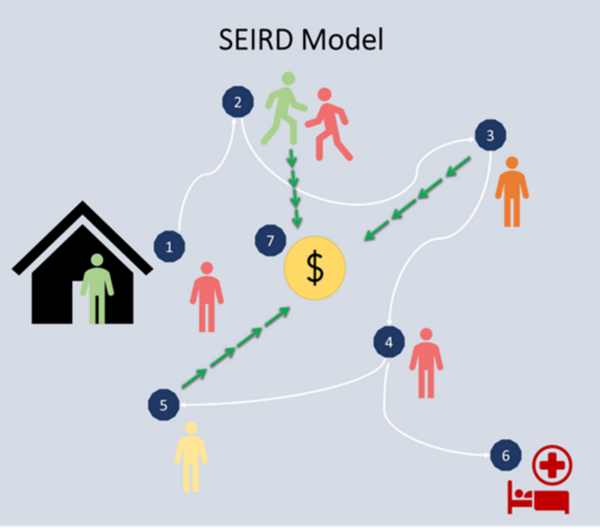
Pandemics involve the high transmission of a disease that impacts global and local health and economic patterns. Epidemiological models help propose pandemic control strategies based on non-pharmaceutical interventions such as social distancing, curfews, and lockdowns, reducing the economic impact of these restrictions. In this research, we utilized an epidemiological Susceptible, Exposed, Infected, Recovered, Deceased (SEIRD) model – a compartmental model for virtually simulating a pandemic day by day.
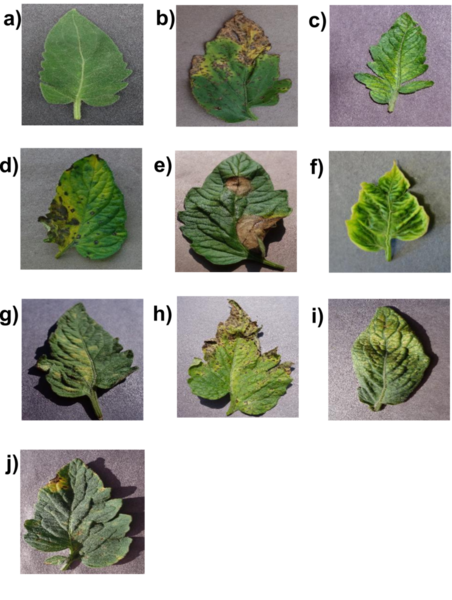
Plant diseases can cause up to 50% crop yield loss for the popular tomato plant. A mobile device-based method to identify diseases from photos of symptomatic leaves via computer vision can be more effective due to its convenience and accessibility. To enable a practical mobile solution, a “shallow” convolutional neural networks (CNNs) with few layers, and thus low computational requirement but with high accuracy similar to the deep CNNs is needed. In this work, we explored if such a model was possible.
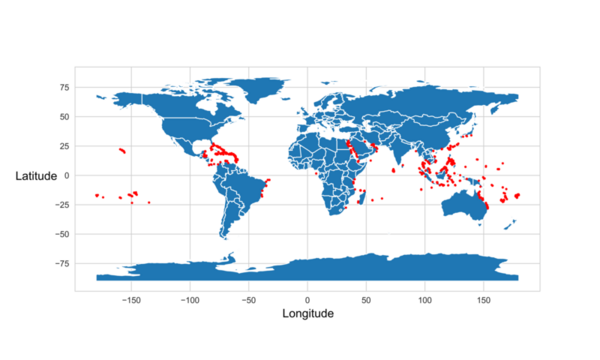
Coral bleaching is a fatal process that reduces coral diversity, leads to habitat loss for marine organisms, and is a symptom of climate change. This process occurs when corals expel their symbiotic dinoflagellates, algae that photosynthesize within coral tissue providing corals with glucose. Restoration efforts have attempted to repair damaged reefs; however, there are over 360,000 square miles of coral reefs worldwide, making it challenging to target conservation efforts. Thus, predicting the likelihood of bleaching in a certain region would make it easier to allocate resources for conservation efforts. We developed a machine learning model to predict global locations at risk for coral bleaching. Data obtained from the Biological and Chemical Oceanography Data Management Office consisted of various coral bleaching events and the parameters under which the bleaching occurred. Sea surface temperature, sea surface temperature anomalies, longitude, latitude, and coral depth below the surface were the features found to be most correlated to coral bleaching. Thirty-nine machine learning models were tested to determine which one most accurately used the parameters of interest to predict the percentage of corals that would be bleached. A random forest regressor model with an R-squared value of 0.25 and a root mean squared error value of 7.91 was determined to be the best model for predicting coral bleaching. In the end, the random model had a 96% accuracy in predicting the percentage of corals that would be bleached. This prediction system can make it easier for researchers and conservationists to identify coral bleaching hotspots and properly allocate resources to prevent or mitigate bleaching events.