Browse Articles

Analysis of electrodialysis as a method of producing potable water

Shen et al. | May 03, 2024

Analysis of electrodialysis as a method of producing potable water

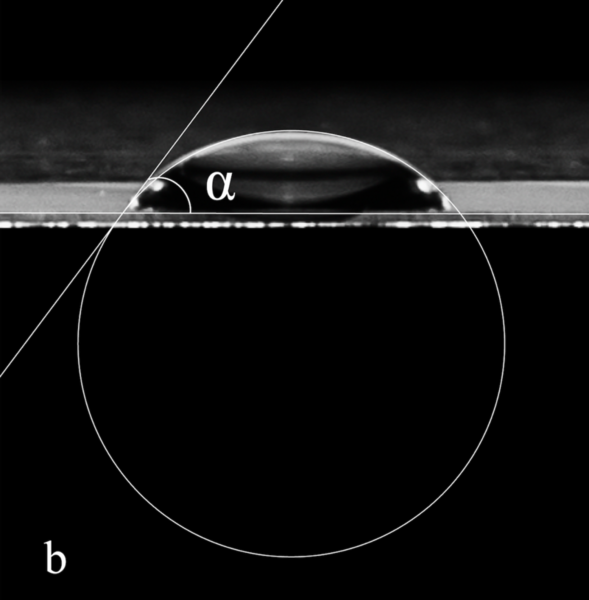
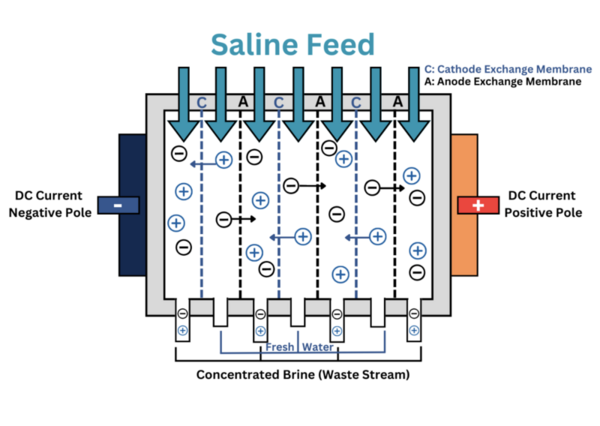
Here, seeking a way to convert the vast quantity of seawater to drinking water, the authors investigated the purification of seawater to drinking water through electrodialysis. Using total dissolved solids (TDS) as their measure, they found that electrodialysis was able to produce deionized water with TDS values under the acceptable range for consumable water.

Read More...

Understanding the correlation between various pollutants and cancer across geographical clusters in the U.S.

Naik et al. | Sep 12, 2026

Understanding the correlation between various pollutants and cancer across geographical clusters in the U.S.

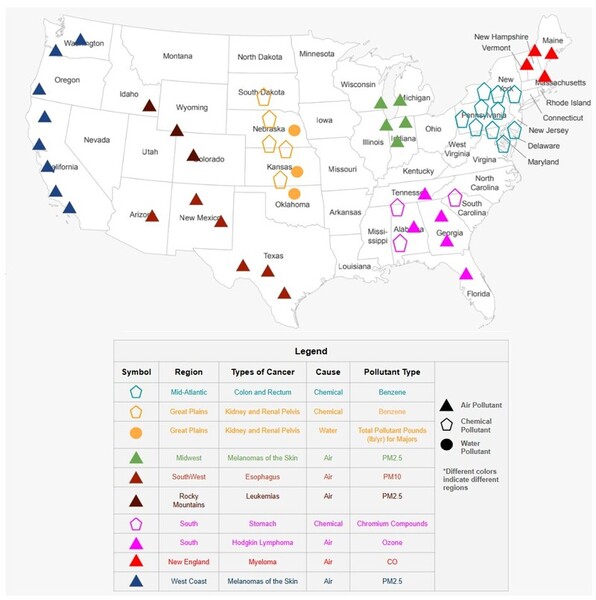
Here the authors investigate the relationship between environmental pollutants and cancer incidence rates across various geographical clusters in the United States from 2018 to 2020. By calculating Pearson correlation coefficients and t-statistics on CDC and EPA data, they demonstrated a strong correlation between specific pollutants and various cancers, offering insights that could help explain regional disparities in cancer rates and aid in preventing premature deaths.

Read More...

Increased survival of aquatic life through algal pretreatment of nitrate-contaminated runoff

Venkat et al. | Sep 12, 2026

Increased survival of aquatic life through algal pretreatment of nitrate-contaminated runoff
Image credit: Liz Harrell

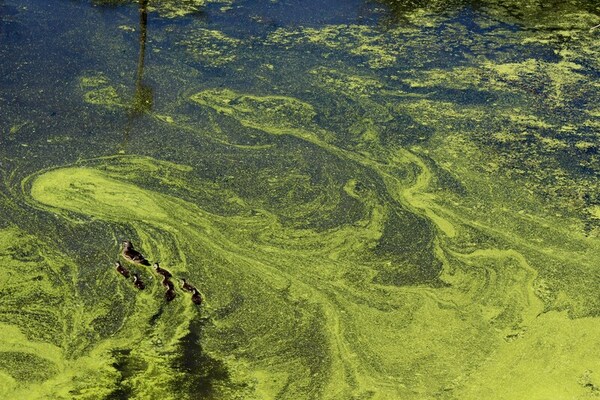
Here the authors investigated the effectiveness of algal pretreatment in reducing nitrate toxicity and extending the survival of fish in contaminated river water. Their findings demonstrate that treating nitrate-polluted water with algae extended fish survival by up to 50%, suggesting that algae could serve as a valuable tool for mitigating the destructive impacts of agricultural and industrial runoff on aquatic ecosystems.

Read More...

The impacts of different Al(NO3)3 concentrations on the mitotic index of Allium sativum

Jimenez Pol et al. | Jul 10, 2023

The impacts of different Al(NO<sub>3</sub>)<sub>3</sub> concentrations on the mitotic index of <i>Allium sativum</i>
Image credit: Kylie Paz

Recognizing the increasing threat of acid deposition inn soil through the reaction of NOx and SO2 pollutants with water in Spain, the authors investigates the effects of Al(NO3)3 concentrations on the health of Allium sativum. By tracking its mitotic index, they found a negative exponential correlation between Al(NO3)3 concentrations and the mitotic index of A. sativum.

Read More...

A Study on the Coagulating Properties of the M. oleifera Seed

Lakshmanan et al. | Feb 14, 2020

A Study on the Coagulating Properties of the <em>M. oleifera</em> Seed

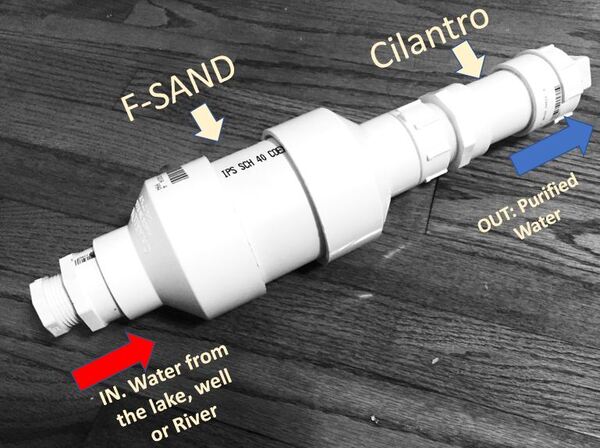
In this study, the authors investigate whether Moringa Oleifera seeds can serve as material to aid in purifying water. M. oleifera seeds have coagulating properties and the authors hypothesized that including it in a water filtration system would reduce particles, specifically bacteria, in water. Their results show that this system removed the largest percent of bacteria. When used in combination with cilantro, it was actually more efficient than the other techniques! These findings have important implications for creating better and more economical water purification systems.

Read More...

Comparing the Effectiveness of Popular Treatments for Swelling and Scarring

Benavides et al. | Jul 08, 2020

Comparing the Effectiveness of Popular Treatments for Swelling and Scarring

Numerous specialty treatments claim to reduce swelling and scarring; however, it is unknown if these treatments are more effective than less expensive treatments. In an attempt to determine if one outperforms the other, treatments were applied to the same subject following bilateral orthopedic foot surgery. No difference was found the specialty treatments compared to more cost-effective treatments.

Read More...