Browse Articles

Changes for Development of Al2O3 Coated PVA (Polyvinyl Alcohol) Composite Nonwoven Separator For Improving Thermal and Electrochemical Properties

Kim et al. | Oct 16, 2019

Changes for Development of Al2O3 Coated PVA (Polyvinyl Alcohol) Composite Nonwoven Separator For Improving Thermal and Electrochemical Properties

Lithium-ion batteries, a breakthrough in chemistry that enabled the electronic revolution we live today have become an essential part of our day-to-day life. A phone battery running out after a heavy day of use with limited opportunities for recharging is a well-known and resented experience by almost everyone. How then can we make batteries more efficient? This paper proposes the use of a different type of separator, that improves the charging and discharging capacities of lithium ions compared to the classical separator. This and similar attempts to improve Lithium-ion battery function could facilitate the development of higher-performance batteries that work longer and withstand harsher use.

Read More...

The Parent-Child Relationship During the College Planning Process

Vanden et al. | Sep 19, 2019

The Parent-Child Relationship During the College Planning Process

To explore the parent-child relationship during college planning, authors surveyed high school juniors from two private schools (boarding school vs. non-boarding parochial school). After coding, survey answers indicate students at boarding schools were found to have greater fear of parental control and disappointment, while students at non-boarding parochial schoolexpressed a greater need for parental assistance.

Read More...

A Novel Method for Auto-Suturing in Laparoscopic Robotic-Assisted Coronary Artery Bypass Graft (CABG) Anastomosis

Levy et al. | Jun 21, 2018

A Novel Method for Auto-Suturing in Laparoscopic Robotic-Assisted Coronary Artery Bypass Graft (CABG) Anastomosis

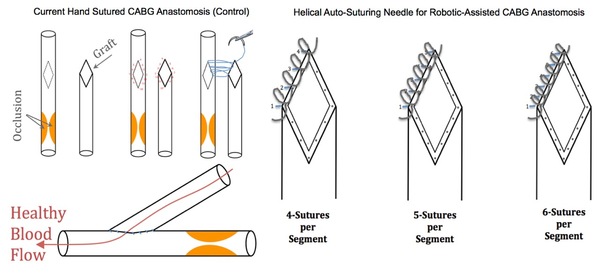
Levy & Levy tackle the optimization of the coronary artery bypass graft, a life-saving surgical technique that treats artery blockage due to coronary heart disease. The authors develop a novel auto-suturing method that saves time, allows for an increased number of sutures, and improves graft quality over hand suturing. The authors also show that increasing the number of sutures from four to five with their new method significantly improves graft quality. These promising findings may help improve outcomes for patients undergoing surgery to treat coronary heart disease.

Read More...

DyGS: A Dynamic Gene Searching Algorithm for Cancer Detection

Wang et al. | Jun 05, 2018

DyGS: A Dynamic Gene Searching Algorithm for Cancer Detection

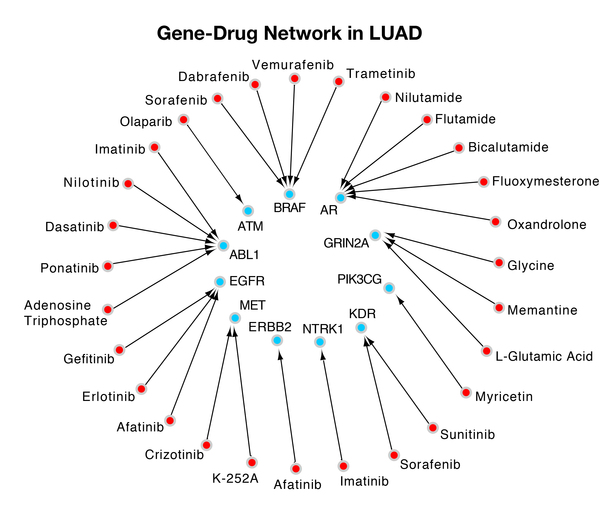
Wang and Gong developed a novel dynamic gene-searching algorithm called Dynamic Gene Search (DyGS) to create a gene panel for each of the 12 cancers with the highest annual incidence and death rate. The 12 gene panels the DyGS algorithm selected used only 3.5% of the original gene mutation pool, while covering every patient sample. About 40% of each gene panel is druggable, which indicates that the DyGS-generated gene panels can be used for early cancer detection as well as therapeutic targets in treatment methods.

Read More...

Phytoplankton Plastid Proteomics: Cracking Open Diatoms to Understand Plastid Biochemistry Under Iron Limitation

Nunn et al. | Feb 10, 2017

Phytoplankton Plastid Proteomics: Cracking Open Diatoms to Understand Plastid Biochemistry Under Iron Limitation

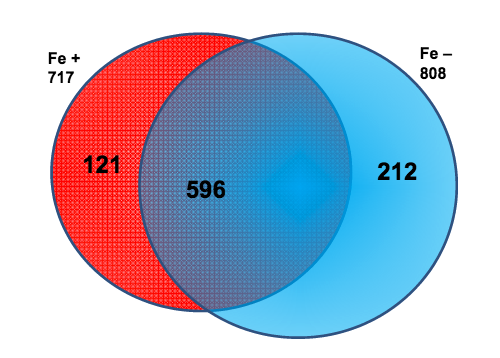
In many areas of the world’s oceans, diatoms such as Thalassiosira pseudonana are limited in growth by the availability of iron (Fe), which is an essential nutrient for diatoms. The authors of this study examined if Fe-limitation makes a significant difference in the proteins expressed within the chloroplast, the power source for diatoms, utilizing a new plastid isolation technique specific to diatoms and completing 14 mass spectrometry experiments.

Read More...

Molecular Alterations in a High-Fat Mouse Model Before the Onset of Diet–Induced Nonalcoholic Fatty Liver Disease

Lee et al. | Sep 20, 2016

Molecular Alterations in a High-Fat Mouse Model Before the Onset of Diet–Induced Nonalcoholic Fatty Liver Disease

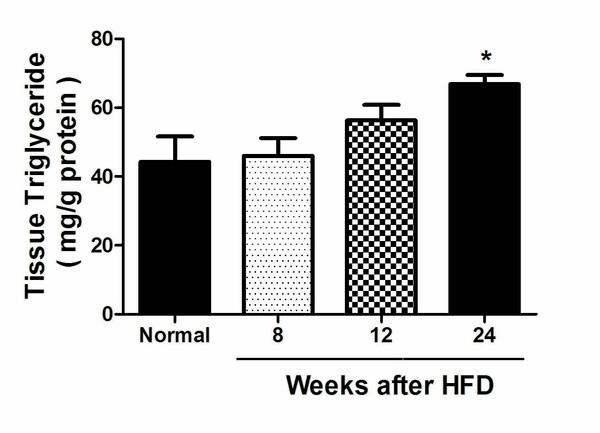
Nonalcoholic fatty liver disease (NAFLD) is one of the most prevalent chronic liver diseases worldwide, but there are few studied warning signs for early detection of the disease. Here, researchers study alterations that occur in a mouse model of NAFLD, which indicate the onset of NAFLD sooner. Earlier detection of diseases can lead to better prevention and treatment.

Read More...

Comparing Suturing And Stapling In Coronary Bypass Grafting Anastomosis

Levy et al. | Oct 13, 2014

Comparing Suturing And Stapling In Coronary Bypass Grafting Anastomosis

Coronary artery bypass grafts are a common technique to treat coronary heart disease. The authors compared the efficacy of suturing and stapling techniques using an artificial heart pump and silicone tubing and found that suturing, while more time and skill intensive, held pressure in the tubing better than stapling.

Read More...

Mutation of the Catalytic Cysteine in Anopheles gambiae Transglutaminase 3 (AgTG3) Abolishes Plugin Crosslinking Activity without Disrupting Protein Folding Properties

Pham et al. | May 02, 2014

Mutation of the Catalytic Cysteine in <em>Anopheles gambiae</em> Transglutaminase 3 (AgTG3) Abolishes Plugin Crosslinking Activity without Disrupting Protein Folding Properties

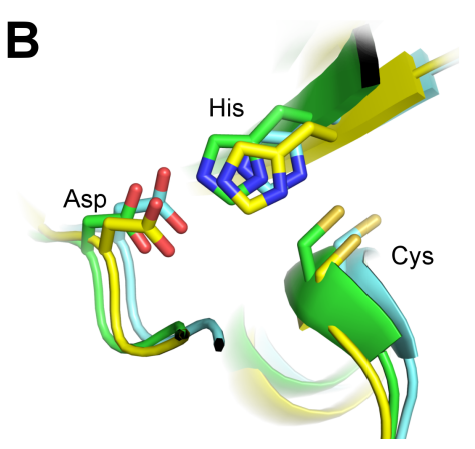
Malaria is a major public health issue, especially in developing countries, and vector control is a major facet of malaria eradication efforts. Recently, sterile insect technique (SIT), or the release of sterile mosquitoes into the wild, has shown significant promise as a method of keeping vector populations under control. In this study, the authors investigate the Anopheles gambiae transglutaminase 3 protein (AgT3), which is essential to the mating of the Anopheles mosquito. They show that an active site mutation is able to abolish the activity of the AgT3 enzyme and propose it as a potential target for chemosterilant inhibitors.

Read More...