Browse Articles

Use of yogurt bacteria as a model surrogate to compare household cleaning solutions

Shukla et al. | May 07, 2023

Use of yogurt bacteria as a model surrogate to compare household cleaning solutions
Image credit: CDC

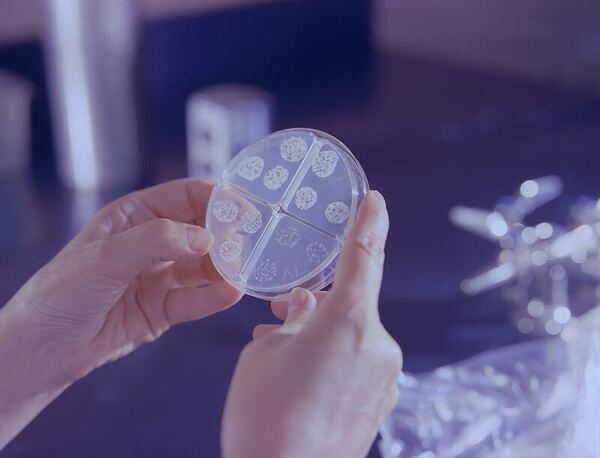
While resources on the safety of household cleaning products are plentiful, measures of efficacy of these cleaning chemicals against bacteria and viruses remain without standardization in the consumer market. The COVID pandemic has exasperated this knowledge gap, stoking the growth of misinformation and misuse surrounding household cleaning chemicals. Arriving at a time dire for sanitization standardization, the authors of this paper have created a quantifying framework for consumers by comparing a wide range of household cleaning products in their efficacy against bacteria generated by a safe and easily replicable yogurt model.

Read More...
Antibacterial properties of household spices and toothpaste against oral bacteria

Toliver et al. | Apr 24, 2023

Antibacterial properties of household spices and toothpaste against oral bacteria

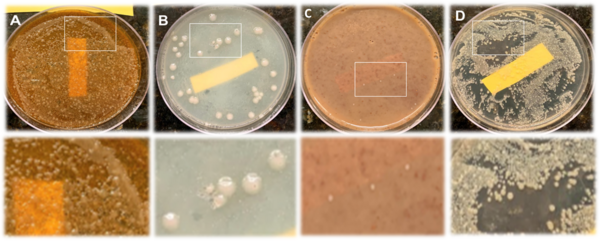
Bacteria cause tooth decay, plaque, bad breath, and other diseases. Despite being cleaned with water and toothpaste, oral bacteria live on our toothbrushes. Bacterial growth has been shown to be inhibited by different toothpastes and common household spices. This study tested how different toothpastes and common household spices, including cinnamon, cumin, nutmeg, and ground white pepper, can inhibit bacteria from growing on toothbrushes

Read More...

Effects of Photoperiod Alterations on Stress Response in Daphnia magna

Kelly et al. | Mar 10, 2022

Effects of Photoperiod Alterations on Stress Response in <em>Daphnia magna</em>

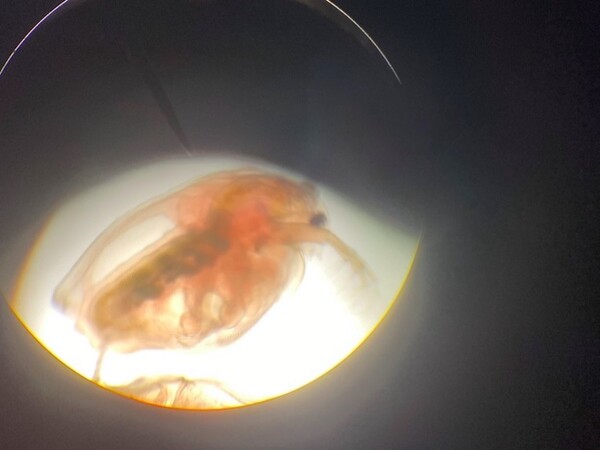
Here, seeking to better understand the effects of altered day-night cycles, the authors considered the effects of an altered photoperiod on Daphnia magna. By tracking possible stress responses, including mean heart rate, brood size, and male-to-female ratio they found that a shorter photoperiod resulted in altered mean heart rates and brood size. The authors suggest that based on these observations, it is important to consider the effects of photoperiod alterations and the stress responses of other organisms.

Read More...