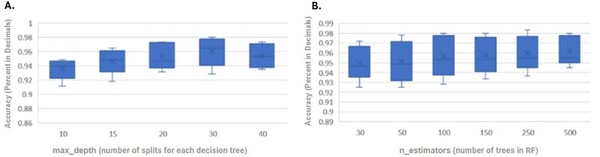
The authors use machine learning on MRI images of brain tissue to predict tumor onset as an avenue for early detection of brain cancer.
Read More...A comparative analysis of machine learning approaches to predict brain tumors using MRI
The authors use machine learning on MRI images of brain tissue to predict tumor onset as an avenue for early detection of brain cancer.
Read More...Risk assessment modeling for childhood stunting using automated machine learning and demographic analysis
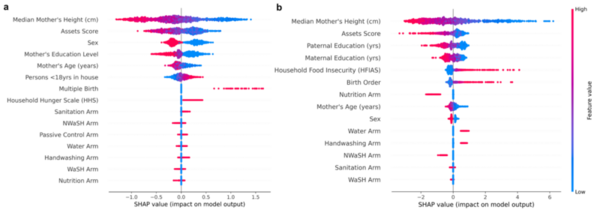
Over the last few decades, childhood stunting has persisted as a major global challenge. This study hypothesized that TPTO (Tree-based Pipeline Optimization Tool), an AutoML (automated machine learning) tool, would outperform all pre-existing machine learning models and reveal the positive impact of economic prosperity, strong familial traits, and resource attainability on reducing stunting risk. Feature correlation plots revealed that maternal height, wealth indicators, and parental education were universally important features for determining stunting outcomes approximately two years after birth. These results help inform future research by highlighting how demographic, familial, and socio-economic conditions influence stunting and providing medical professionals with a deployable risk assessment tool for predicting childhood stunting.
Read More...The impact of culturally informed music therapy on visually impaired youth: A Jaffna, Sri Lanka study

The authors looked at the effect of music therapy on visually impaired youth. They found that culturally relevant curricula is an important consideration while also showing that broadly music therapy enhances working memory, emotional well-being and inhibitory control.
Read More...Protein concentrations in cows’ milk during the four stages of lactation

In this article, the authors quantify fluctuations of primary proteins found within bovine milk across four stages of lactation. Critically, these findings bear great relevance to the nutritional support of calves as well as the varying severity of symptoms of lactose intolerance.
Read More...Zinc-related Treatments Combined with Chloroquine and Gemcitabine for Treating Pancreatic Cancer

Pancreatic cancer is one of the deadliest cancers, with a 10% 5-year survival rate. The authors studied various dosages of TPEN and zinc in combination with Chloroquine and Gemcitabine as treatments to reduce cell proliferation. Results showed that when combined with Chloroquine and Gemcitabine, zinc and TPEN both significantly lowered cell proliferation compared to Gemcitabine, suggesting a synergistic effect that resulted in a more cytotoxic treatment. Further research and clinical trials on this topic are needed to determine whether this could be a viable treatment for pancreatic cancer.
Read More...Can Children Acquire Their Parents’ History of Fracture?
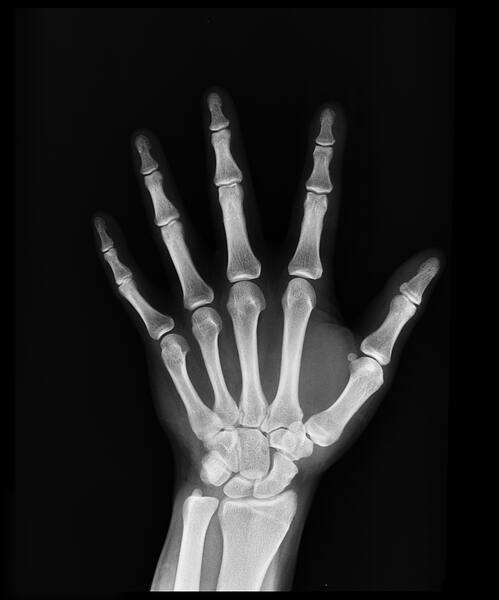
While the genetic basis of hip fracture risk has been studied extensively in adults, it is not known whether parental history of bone fractures affects their children's fracture risk. In this article, the authors investigated whether a parental history of bone fractures influences the rate of fractures in their children. They found that adolescent children whose parents had a more extensive history of fractures were more likely to have a history of fractures themselves, suggesting that parents' medical histories may be an important consideration in future pediatric health research.
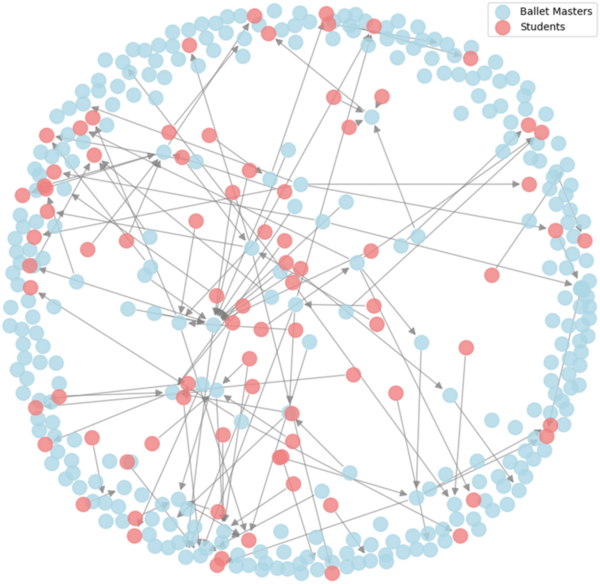
Read More...The role of institutional prestige, gender, and number of citizenships in ballet masters’ careers
Anticonvulsant effects of non-pharmaceutical treatments in bang-sensitive D. melanogaster mutants
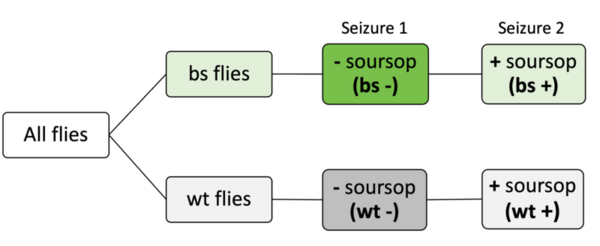
This study investigated whether soursop, a ketogenic diet-related compound called BHB, and circadian synchronization could reduce seizure recovery time in fruit flies used as a model for epilepsy.
Read More...Comparative data analysis on the effect of socioeconomic factors on math proficiency
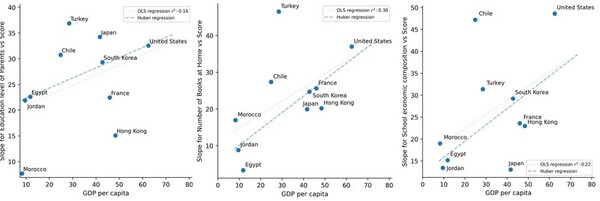
This study examines how socioeconomic status (SES) influences student mathematics achievement across countries by conducting multiple regression analyses to the Trends in International Mathematics and Science Study (TIMSS) 2019 dataset.
Read More...Assessing machine learning model efficacy for brain tumor MRI classification: a multi-model approach
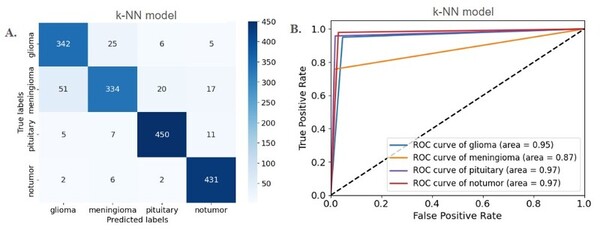
This manuscript explores the performance of five different machine learning models in classifying brain tumors from a dataset of MRI scans. The authors find that several of the models showed >90% accuracy. Thus, the authors suggest that machine learning models demonstrate potential for effective implementation in clinical settings, including as a diagnostic tool that can be used to complement the expertise of neuroradiologists.
Read More...