
Impact of carbon tax and dividend on financial security
Read More...Analyzing carbon dividends’ impact on financial security via ML & metaheuristic search
Impact of carbon tax and dividend on financial security
Read More...Associations between fentanyl usage and social media use among U.S. teens
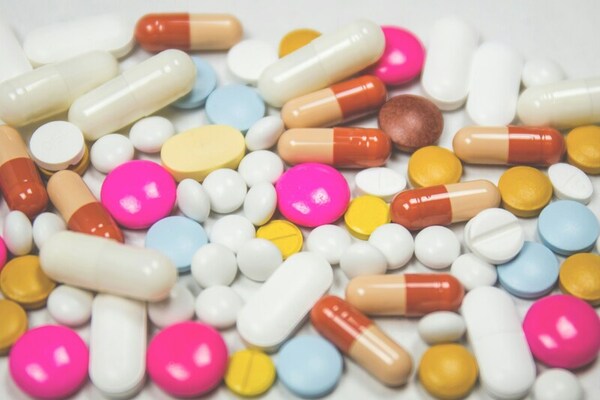
Here the authors aimed to understand factors influencing adolescent fentanyl exposure, hypothesizing a positive association between social media usage, socioeconomic factors, and fentanyl abuse among U.S. teens. Their analysis of the Monitoring the Future dataset revealed that a history of suspension and use of marijuana or alcohol were linked to higher fentanyl use, and while not statistically significant, a notable positive correlation between social media use and fentanyl frequency was observed.
Read More...Computational Study of Erosion Effects on a Triangular Aerofoil's Aerodynamics at Reynolds number of 10,000
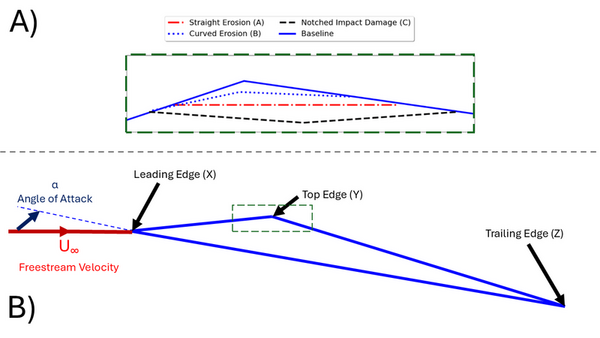
This study examined the impact of erosion on the performance of a triangular aerofoil at a low Reynolds number (Re = 10,000), relevant for harsh conditions like those on Mars.
Read More...Detection method of black goji berry anthocyanin content based on colorimetry
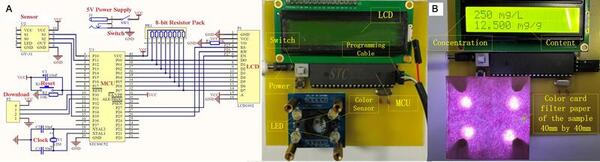
Black goji berries have attracted interest for their high levels of anthocyanin pigment, which believed to have health-boosting effects. Yu and Zhu research a method for measuring goji berry quality by detecting anthocyanin content under different conditions.
Read More...Optimized biochemical depolymerization of plastics from surgical face masks
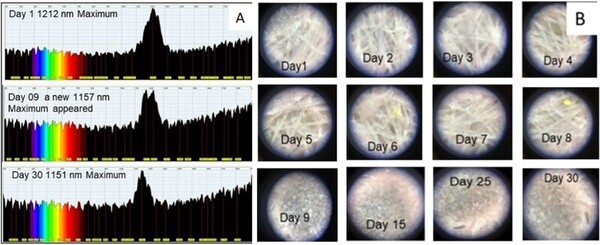
The authors combine chemical, enzymatic, and microbial-based methods to optimize degradation of plastics within a surgical facemask.
Read More...Antibacterial activity by Dombeya wallichii plant extracts obtained by ultrasound-assisted extraction
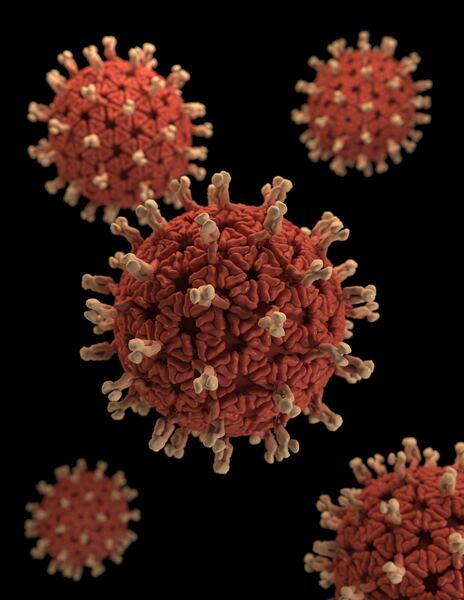
Medicinal plants could be a good source of medication to combat antibiotic resistance. Dombeya wallichii, which is commonly called Pink Ball Tree in the family Sterculiaceae, has been documented to have medicinal potential. We observed the highest antibacterial activity in the stem extracts, followed by leaf and bark extracts. The extracts were more effective against tested Gram-positive bacteria when compared with Gram-negative strains.
Read More...Assessing CDK5 as a Nanomotor for Chemotactic Drug Delivery
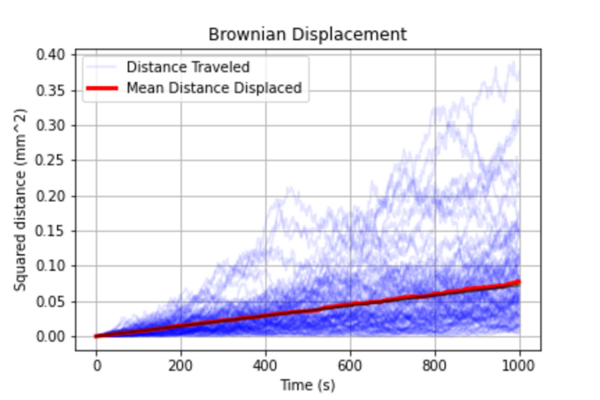
Enzyme chemotaxis is a thermodynamic phenomenon in which enzymes move along a substrate concentration gradient towards regions with higher substrate concentrations and can be used to steer nanovehicles towards targets along natural substrate concentrations. In patients with Alzheimer’s disease, a gradient of tau protein forms in the bloodstream. Tau protein is a substrate of the enzyme CDK5, which catalyzes the phosphorylation of tau protein and can travel using chemotaxis along tau protein gradients to increasing concentrations of tau and amyloid-beta proteins. The authors hypothesized that CDK5 would be able to overcome these barriers of Brownian motion and developed a quantitative model using Michaelis-Menten kinetics to define the necessary parameters to confirm and characterize CDK5’s chemotactic behavior to establish its utility in drug delivery and other applications.
Read More...A novel filtration model for microplastics using natural oils and its application to the environment
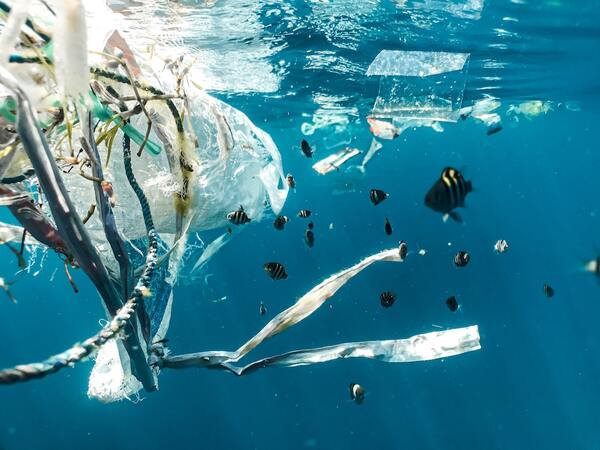
Recognizing the need for a method to filter microplastics from polluted water the authors sought to use nonpolar solvents, palm oil and palm kernel oil, to filter microplastics out of model seawater. By relying on the separation of polar and nonpolar solvents followed by freezing the nonpolar solvent, they reported that microplastics could be extracted with percentages ranging from 96.2% to 94.2%. They also provided an estimation to use this method as part of container ships to clean the Pacific Ocean of microplastics.
Read More...Validation of impact-absorbing football helmet facemask for head injury prevention with simulation
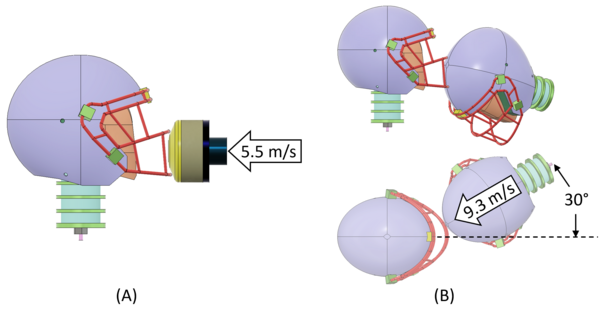
Head injuries are common in American football and the facemasks found on football helmets receive a lot of impact during contacts. This study investigates how effective they are at reducing concussion risk.
Read More...Comparative screening of dose-dependent and strain-specific antimicrobial efficacy of berberine against a representative library of broad-spectrum antibiotics

We hypothesize that berberine has broad-spectrum antibacterial properties, along with potency that is comparable to current broad-spectrum antibiotics that are commercially available. Here, we screened berberine against four strains of bacteria and evaluated its antimicrobial activity against five broad-spectrum antibiotics from different classes to better quantify berberine’s antibacterial activity and compare its efficacy as an antibacterial agent to the broad-spectrum antibiotics. Our results indicated that berberine had strain-selective cytotoxic effects and was significantly less potent than most of the broad-spectrum antibiotics
Read More...