Browse Articles

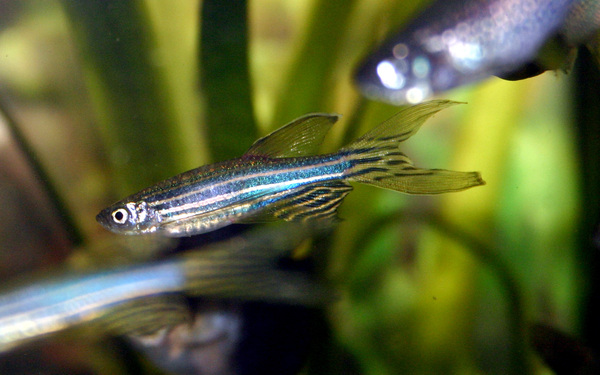
Evaluating Biomarkers and Treatments for Acute Kidney Injury in a Zebrafish Model

Mathew et al. | Aug 11, 2019

Evaluating Biomarkers and Treatments for Acute Kidney Injury in a Zebrafish Model

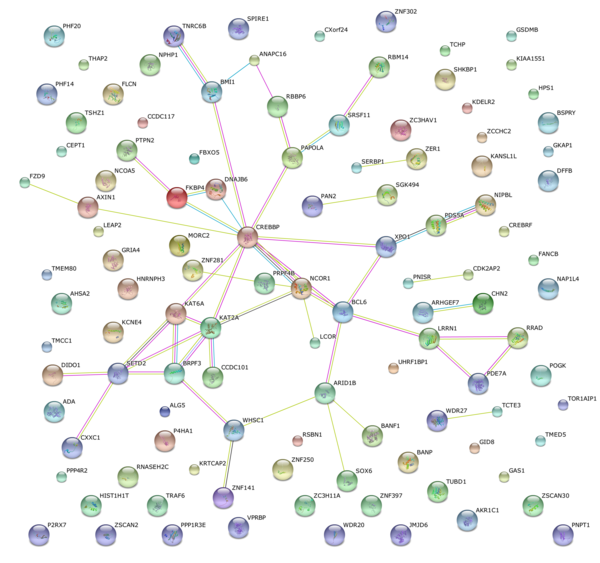
Coronary Artery Disease (CAD) is the leading cause of death in the United States, and 81% of Acute Kidney Injury (AKI) patients in the renal fibrosis stage later develop CAD. In this study, Mathew and Joykutty aimed to create a cost-effective strategy to treat AKI and thus prevent CAD using a model of the zebrafish, Danio rerio. They first tested whether AKI is induced in Danio rerio upon exposure to environmental toxins, then evaluated nitrotyrosine as an early biomarker for toxin-induced AKI. Finally, they evaluated 4 treatments of renal fibrosis, the last stage of AKI, and found that the compound SB431542 was the most effective treatment (reduced fibrosis by 99.97%). Their approach to treating AKI patients, and potentially prevent CAD, is economically feasible for translation into the clinic in both developing and developed countries.

Read More...

Measuring Exoplanetary Radii Using Transit Photometry

Tang et al. | May 07, 2019

Measuring Exoplanetary Radii Using Transit Photometry

Studying exoplanets, or planets that orbit a star other than the Sun, is critical to a greater understanding the formation of planets and how Earth's solar system differs from others. In this study the authors analyze the transit light curves of three hot Jupiter exoplanets to ultimately determine if and how these planets have changed since their discovery.

Read More...

Developing a Portable, Reusable, and Inexpensive Magnesium-Air Fuel Cell

Tota et al. | Mar 28, 2019

Developing a Portable, Reusable, and Inexpensive Magnesium-Air Fuel Cell

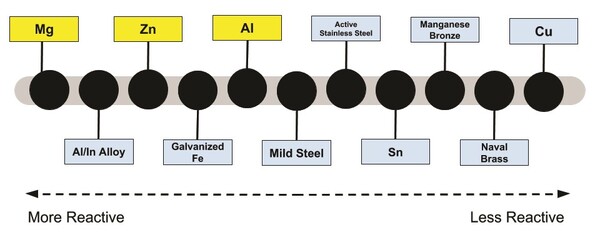
One of the greatest challenges we face today is the sustainable production, storage, and distribution of electrical power. One emerging technology with great promise in this area is that of metal-air fuel cells—a long-term and reusable electricity storage system made from a reactive metal anode and a saline solution. In this study the authors tested several different types of metal to determine which was the most suitable for this application. They found that a fuel cell with a magnesium anode was superior to fuel cells made from aluminum or zinc, producing a voltage and current sufficient for real-world applications such as charging a mobile phone.

Read More...

Performance of Panicum virgatum Cultivars in Competition With Bromus inermis and Differing Amounts of N Fertilizer

Ferris et al. | Mar 04, 2019

Performance of <em>Panicum virgatum</em> Cultivars in Competition With <em>Bromus inermis</em> and Differing Amounts of N Fertilizer

With growing demands for ethanol, many researchers are turning to Panicum virgatum (switchgrass) as a feedstock of cellulosic ethanol. In this study, Ferris and Gillan examine the germination, biomass, nitrogen, survival, and chlorophyll absorbance of two switchgrass cultivars of grown in competition with Bromus inermis (smooth brome) with two varying levels of nitrogen fertilizer. Results presented indicate that during establishment, competition from other species has a greater effect than nitrogen fertilizer.

Read More...

Towards an Integrated Solution for Renewable Water and Energy

Chen et al. | Jan 09, 2015

Towards an Integrated Solution for Renewable Water and Energy

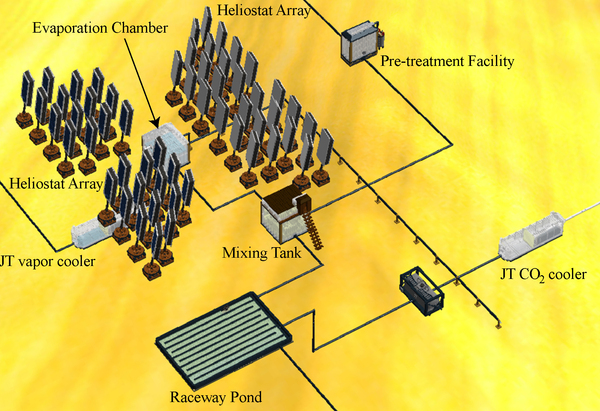
An integrated plant that would generate energy from solar power and provide clean water would help solve multiple sustainability issues. The feasibility of such a plant was investigated by looking at the efficacy of several different modules of such a plant on a small scale.

Read More...

Which Diaper is More Absorbent, Huggies or Pampers?

Shramko et al. | Sep 19, 2013

Which Diaper is More Absorbent, Huggies or Pampers?

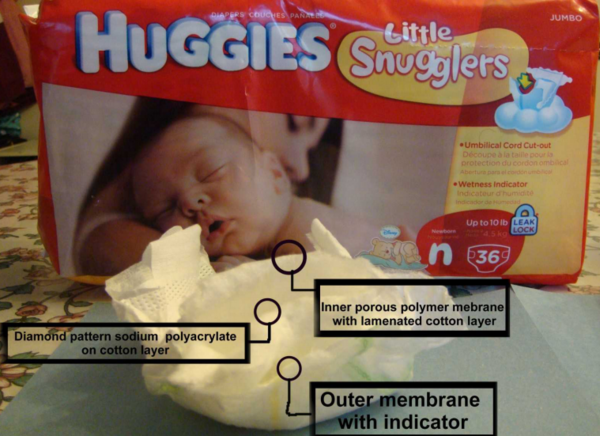
The authors here investigate the absorbency of two leading brands of diapers. They find that Huggies Little Snugglers absorb over 50% more salt water than Pampers Swaddlers, although both absorb significantly more fluid than what an average newborn can produce.

Read More...

The Effect of Music on Heart Rate

Agrawal et al. | Apr 25, 2013

The Effect of Music on Heart Rate

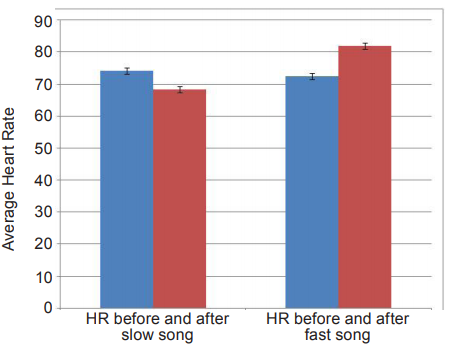
Different songs can seem to evoke different emotions. Here the authors demonstrate that different songs can have a significant effect on the heart rate of listeners. A slower song slows heart rate, and a faster song increases it.

Read More...