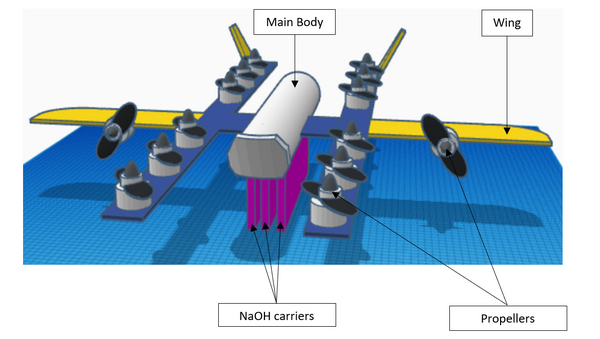
In this study, the authors address the current climate concern of high CO2 levels by testing solid forms of hydroxide for CO2 reduction and designing a drone to fly it in ambient air!
Read More...Use of drone with sodium hydroxide carriers to absorb carbon dioxide from ambient air
In this study, the authors address the current climate concern of high CO2 levels by testing solid forms of hydroxide for CO2 reduction and designing a drone to fly it in ambient air!
Read More...An Experiment to Assess the Usefulness of a Virtual Environment as a Method of Public Speaking Anxiety Exposure

This experiment assessed the effectiveness of a virtual environment as a method of exposure in the treatment of high school students’ public speaking anxiety. The results show that participants’ heartbeat was higher when they wore a VR headset than when they did not.
Read More...Young People Drinking: The Effect of Group Size on Drinking Habits
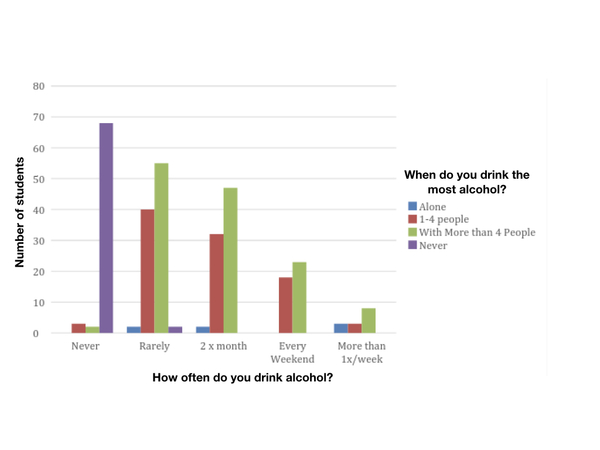
Palermo et al. examined the effect of group size on drinking habits of college and high school students. The authors found that both high school and college students tended to consume the most alcohol in group sizes of 4 or more, independent of how frequently they drink. They also found that the proportion of college students that drink is nearly twice the proportion of high school students that drink. This study supports previous findings that underage drinking happens in large groups and suggests that effective intervention in underage drinking would be at the group level.
Read More...Algorithmic barriers: Investigating student perceptions of AI bias in subjective “culture fit” hiring

This study investigated perceptions of the emerging workforce toward the use of artificial intelligence in hiring, specifically for assessing subjective "culture fit." Through a mixed-methods survey of 150 high school and early-college students in Nepal, we found a significant disconnect between organizational adoption of AI and the profound skepticism of young job candidates, who express deep concerns about fairness, transparency, and the potential for AI to perpetuate systemic discrimination.
Read More...Enhanced brain arteries and aneurysms analysis using a CAE-CFD approach
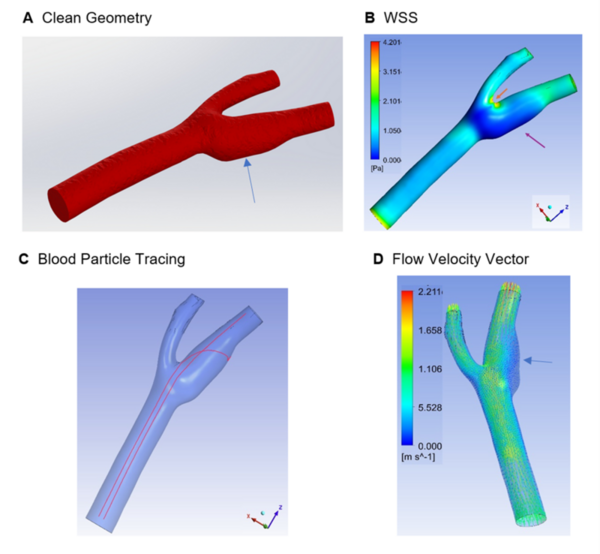
Here, recognizing that brain aneurysms pose a severe threat, often misdiagnosed and leading to high mortality, particularly in younger individuals, the authors explored a novel computer-aided engineering approach. They used magnetic resonance angiography images and computational fluid dynamics, to improve aneurysm detection and risk assessment, aiming for more personalized treatment.
Read More...Unit-price anchoring affects consumer purchasing behavior
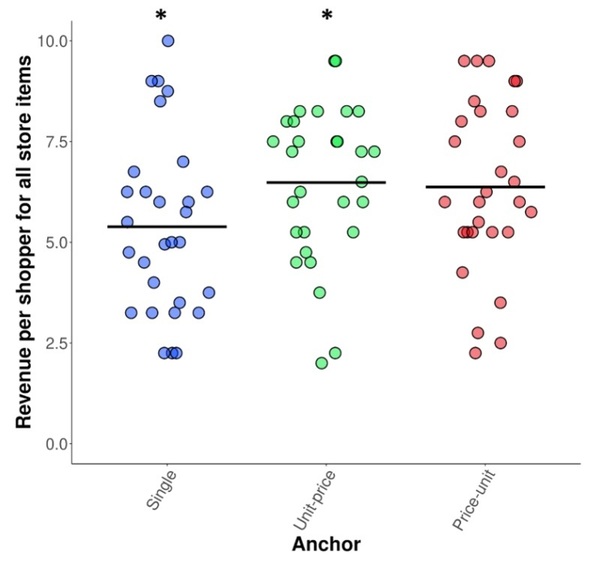
This study examines how anchoring—providing numerical suggestions like "2 for $4"—can influence consumer purchasing decisions and increase revenue. The researchers tested three types of price anchors on 29 high school students shopping in a mock store.
Read More...The effect of music on teenagers in combatting stress and improving performance

Here, the researchers investigated how exposure to active versus passive music affects a teenager's ability to perform a challenging task, namely a Sudoku puzzle, under stressful conditions. Following testing 75 high school teenagers split into two group, the researchers found that singing in a choir (active music) yielded a greater improvement in performance compared to passive listening for brief time periods.
Read More...Machine learning for retinopathy prediction: Unveiling the importance of age and HbA1c with XGBoost
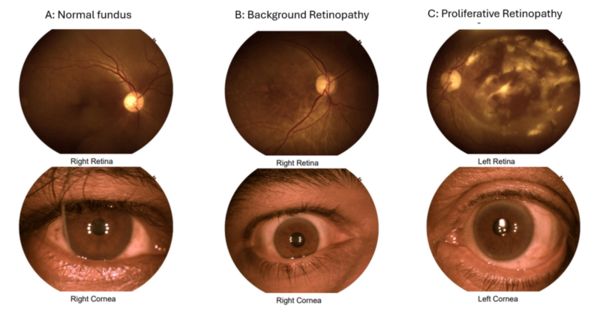
The purpose of our study was to examine the correlation of glycosylated hemoglobin (HbA1c), blood pressure (BP) readings, and lipid levels with retinopathy. Our main hypothesis was that poor glycemic control, as evident by high HbA1c levels, high blood pressure, and abnormal lipid levels, causes an increased risk of retinopathy. We identified the top two features that were most important to the model as age and HbA1c. This indicates that older patients with poor glycemic control are more likely to show presence of retinopathy.
Read More...Solubility of graphite and the efficacy of using its dissolved form as a conductive paste
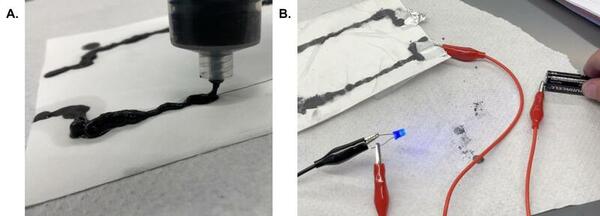
This study explored the use of graphite's conductivity for circuit boards by creating a conductive paste through exfoliation with organic solvents and sonication. The combination of acetone and sonication was found to be the most effective, producing a high-conductivity paste with desirable properties such as a low boiling point. While not a replacement for wires, this conductive paste has potential applications in electronics and infrastructure, provided that key engineering challenges are addressed.
Read More...Defying chemical tagging: inhomogeneities in the wide binary system HIP 34407/HIP 34426

This assessed the hypothesis that stars in wide binary systems are chemically homogeneous because of their shared origin. Abundances of the HIP 34407/HIP 34426 binary were obtained by analyzing high-resolution spectra of the system. Discrepancies found in the system’s elemental abundances might be an indicator of the presence of rocky planets around this star. Thus, the differences found in chemical composition might demonstrate limitations in the assumptions of chemical tagging.
Read More...