Browse Articles

Honey Bee Pollen in Allergic Rhinitis Healing

Bjelajac et al. | Jun 24, 2020

Honey Bee Pollen in Allergic Rhinitis Healing

The most common atopic disease of the upper respiratory tract is allergic rhinitis. It is defined as a chronic inflammatory condition of nasal mucosa due to the effects of one or more allergens and is usually a long-term problem. The purpose of our study was to test the efficiency of apitherapy in allergic rhinitis healing by the application of honey bee pollen. Apitherapy is a branch of alternative medicine that uses honey bee products. Honey bee pollen can act as an allergen and cause new allergy attacks for those who suffer from allergic rhinitis. Conversely, we hoped to prove that smaller ingestion of honey bee pollen on a daily basis would desensitize participants to pollen and thus reduce the severity of allergic rhinitis.

Read More...
The Effect of Ethanol Concentration on Beta-Cell Development in Zebrafish

Payne et al. | Jan 15, 2014

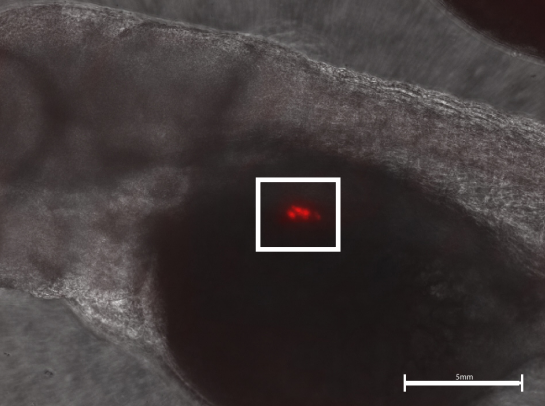
The Effect of Ethanol Concentration on Beta-Cell Development in Zebrafish

Alcohol is known to cause various developmental diseases including Fetal Alcohol Syndrome. Here the authors investigate the effect of ethanol on the development of zebrafish beta cells, the part of the pancreas associated with Type 1 Diabetes. They find that exposure to ethanol does adversely affect beta-cell development, suggesting that alcohol ingestion during pregnancy may be linked to diabetes in newborns.

Read More...

Characterizing the association between hippocampal reactive astrogliosis, anhedonia-like behaviors, and neurogenesis in a monkey model of stress and antidepressant treatment

Kim et al. | Aug 25, 2022

Characterizing the association between hippocampal reactive astrogliosis, anhedonia-like behaviors, and neurogenesis in a monkey model of stress and antidepressant treatment

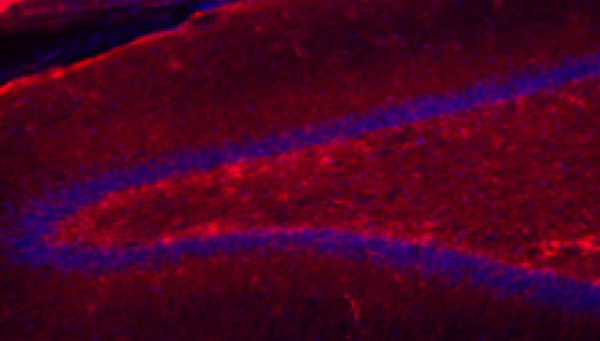
This study examined the effects of stress and selective serotonin reuptake inhibitors (SSRIs) on a measure of astrocyte reactivity in nonhuman primate (NHP) models of stress. Results showed that chronic separation stress in NHPs leads to increased signs of astrogliosis in the NHP hippocampus. The findings were consistent with the hypotheses that hippocampal astrogliosis is an important mechanism in stress-induced cognitive and behavioral deficits.

Read More...

Two Wrongs Could Make a Right: Food Waste Compost Accelerated Polystyrene Consumption of Tenebrio molitor

Fu et al. | Jul 13, 2020

Two Wrongs Could Make a Right: Food Waste Compost Accelerated Polystyrene Consumption of <em>Tenebrio molitor</em>

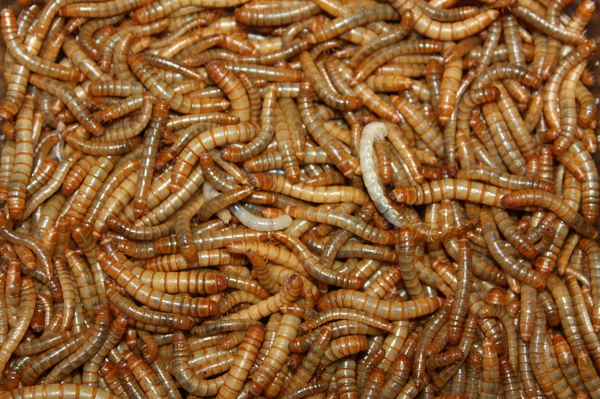
Expanded polystyrene (EPS) is a plastic used to make food containers and packing materials that poses a threat to the environment. Mealworms can degrade EPS, but at a slow rate. Here, researchers assessed the impact of food waste compost and oats on the speed of EPS consumption by mealworms, superworms, and waxworms. A positive correlation was found between food waste compost supplementation and EPS consumption, especially by mealworms, indicating a potential industrial application.

Read More...

Cleaning up the world’s oceans with underwater laser imaging

Gurbuz et al. | Jul 07, 2023

Cleaning up the world’s oceans with underwater laser imaging
Image credit: Naja Bertolt Jensen

Here recognizing the growing amount of plastic waste in the oceans, the authors sought to develop and test laser imaging for the identification of waste in water. They found that while possible, limitations such as increasing depth and water turbidity result in increasing blurriness in laser images. While their image processing methods were somewhat insufficient they identified recent methods to use deep learning-based techniques as a potential avenue to viability for this method.

Read More...