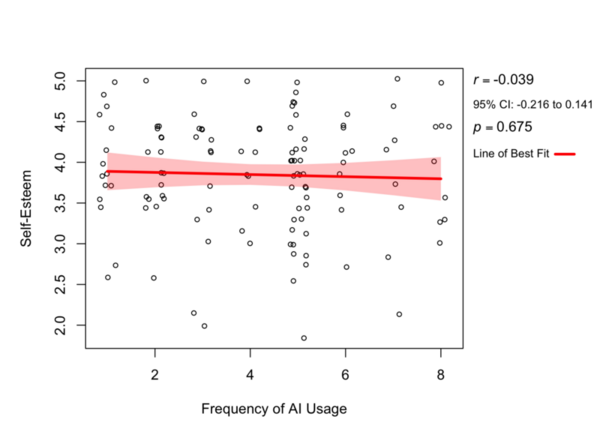
Here the authors investigated whether frequent use of generative AI tools triggers upward social comparison and negatively impacts users' performance self-esteem. Based on a survey of 121 adults, they found no significant relationship between AI usage and self-esteem, concluding that current chatbot interactions do not pose the same psychological threat as peer-based comparisons.
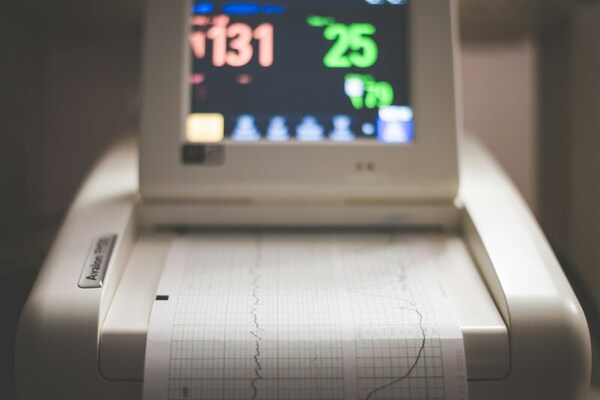
This study shows the efficacy of leveraging transfer learning, specifically from residual networks, to detect CVDs and possible signs of CVDs. The findings indicate that leveraging transfer learning from residual networks alongside medical professionals is a highly promising approach for CVD detection and diagnosis, warranting further investigation.
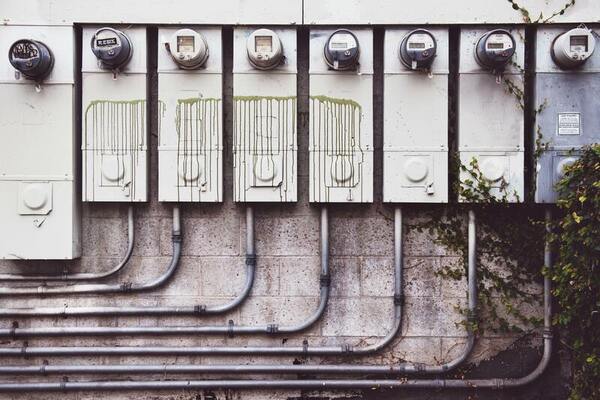
In this article the authors look at phantom loads of common kitchen appliances and found that the appliances looked at have a phantom load of 10.9%. Understanding phantom loads is important as it can reduce energy grid usage and energy bill costs for homeowners.
While some believe that ride-hailing services offer reduced CO2 emissions compared to individual driving, studies have found that driving without passengers on ride-hailing trips or "deadheading" prevents this. Here, with a mathematical model, the authors investigated if the use of electric vehicles as ride-hailing vehicles could offer reduced CO2 emissions. They found that the improved vehicle efficiency and cleaner generation could in fact lower emissions compared to the use of personal gas vehicles.
Here, seeking to identify a method to locally produce and capture renewable energy in Hawai'i and other island communities, the authors built and tested a small-scale model wave energy converter. They tested various configurations of a floated magnet surrounded by a wire coal, where the motion of the magnet due to a wave results in induction current in the coil. While they identified methods to increase the voltage and current generated, they also found that corrosion results in significant deterioration.
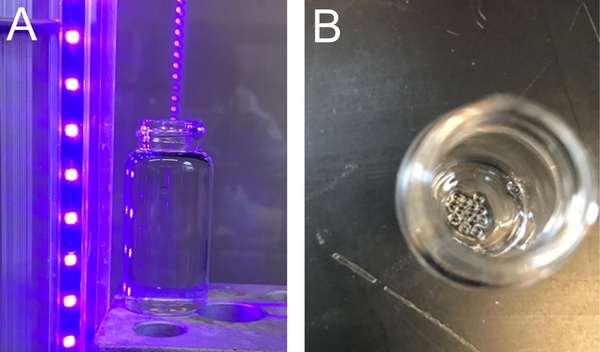
Superabsorbent beads are remarkable, used throughout our daily lives for various practical applications. These beads, as suggested by their name, possess a unique ability to absorb and retain large quantities of liquids. This characteristic of absorbency makes them essential throughout the medical field, agriculture, and other critical industries as well as in everyday products. To create these beads, the process of photopolymerization is fast growing in favor with distinct advantages of cost efficiency, speed, energy efficiency, and mindfulness towards the environment. In this article, researchers explore the pairing of cheap monomers with accessible equipment for creation of superabsorbent beads via the photopolymerization process. This research substantially demonstrates the successful application of photopolymerization in producing highly absorbent beads in a low-cost context, thereby expanding the accessibility of this process for creating superabsorbent beads in both research and practical applications.
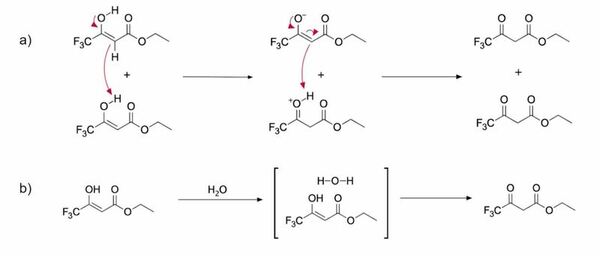
In this study, the authors determined whether tautomerization dynamics in protic and aprotic solvents displayed differences in reaction rates and in the proportion of the keto and enol tautomers present.
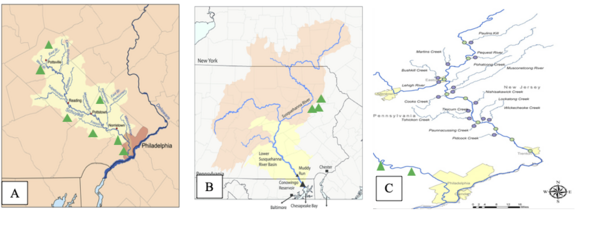
In this study, the authors engineer a cost-effective and bio-friendly water purification system using limestone, denitrifying bacteria, and sulfate-reducing bacteria. They evaluated its efficacy with samples from Eastern PA industrial sites.