Browse Articles

The effects of Helianthus Annuus on Amyotrophic Lateral Sclerosis using Drosophila Melanogaster

Srinivasan et al. | Oct 13, 2022

The effects of <em>Helianthus Annuus</em> on Amyotrophic Lateral Sclerosis using <em>Drosophila Melanogaster</em>

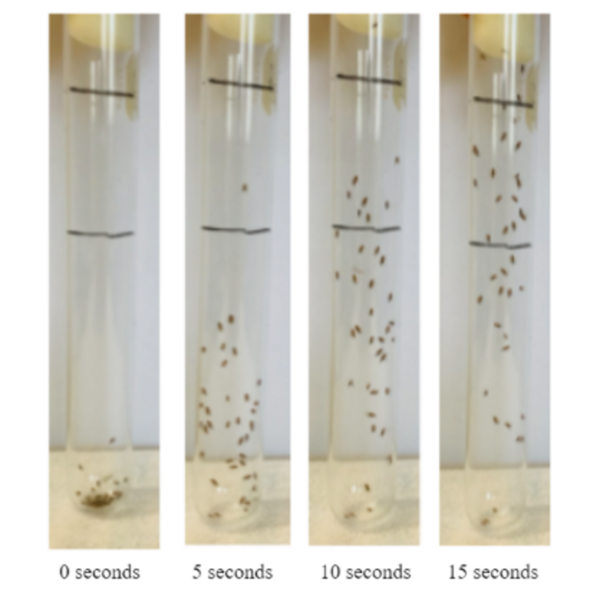
Amyotrophic lateral sclerosis (ALS) affects nearly 200,000 people worldwide and there is currently no cure. The purpose of the study was to determine if Helianthus annuus seeds helped reduce nerve degeneration and increase locomotion using Drosophila melanogaster as the model organism. Through this experiment, we found a general trend suggesting that H. annuus helped increase the mobility of the D. melanogaster suggesting it could be a viable supplement for patients with ALS.

Read More...
Assessing CDK5 as a Nanomotor for Chemotactic Drug Delivery

Jiang et al. | Sep 08, 2022

Assessing CDK5 as a Nanomotor for Chemotactic Drug Delivery

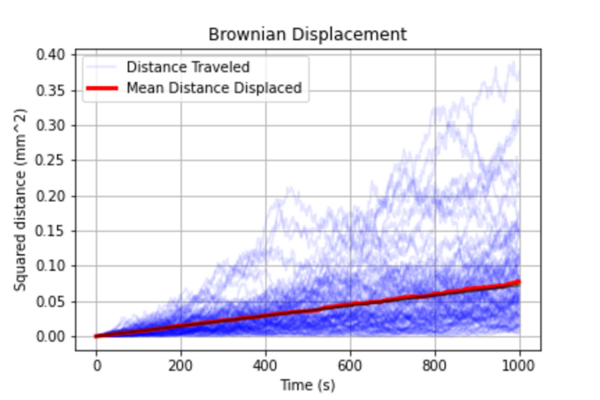
Enzyme chemotaxis is a thermodynamic phenomenon in which enzymes move along a substrate concentration gradient towards regions with higher substrate concentrations and can be used to steer nanovehicles towards targets along natural substrate concentrations. In patients with Alzheimer’s disease, a gradient of tau protein forms in the bloodstream. Tau protein is a substrate of the enzyme CDK5, which catalyzes the phosphorylation of tau protein and can travel using chemotaxis along tau protein gradients to increasing concentrations of tau and amyloid-beta proteins. The authors hypothesized that CDK5 would be able to overcome these barriers of Brownian motion and developed a quantitative model using Michaelis-Menten kinetics to define the necessary parameters to confirm and characterize CDK5’s chemotactic behavior to establish its utility in drug delivery and other applications.

Read More...

Effects of vascular normalizing agents on immune marker expression in T cells, dendritic cells, and melanoma cells

Yaskolko et al. | Nov 03, 2021

Effects of vascular normalizing agents on immune marker expression in T cells, dendritic cells, and melanoma cells

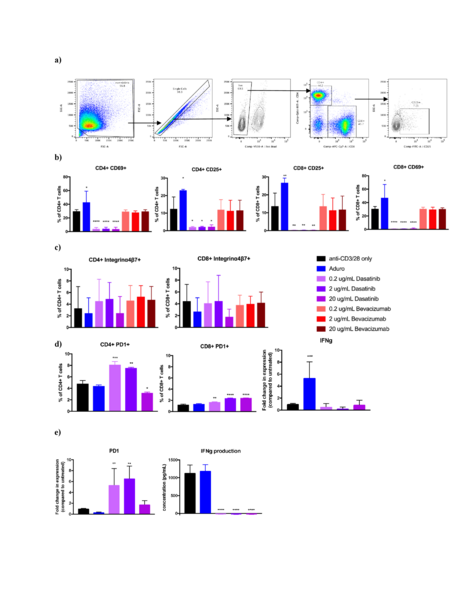
Tertiary lymphoid structures (TLS) are lymph node-like structures that form at sites of inflammation, and their presence in cancer patients is predictive of a better clinical outcome. One significant obstacle to TLS formation is reduced immune cell infiltration into the tumor microenvironment (TME). Recent studies have shown that vasculature normalizing (VN) agents may override this defect to improve tissue perfusion and increased immune cell entry into the TME. However, their effects on immune cell and tumor cell phenotype remain understudied. Here the authors investigate whether treating tumor cells with VN would reduce their immunosuppressive phenotype and promote production of chemokine that recruit immune cells and foster TLS formation.

Read More...

The Clinical Accuracy of Non-Invasive Glucose Monitoring for ex vivo Artificial Pancreas

Levy et al. | Jul 10, 2016

The Clinical Accuracy of Non-Invasive Glucose Monitoring for <i>ex vivo</i> Artificial Pancreas

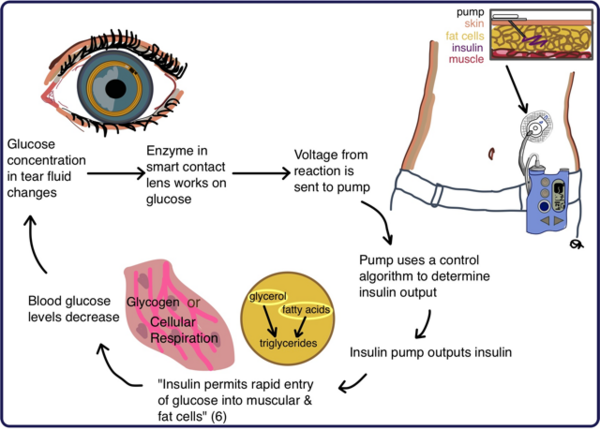
Diabetes is a serious worldwide epidemic that affects a growing portion of the population. While the most common method for testing blood glucose levels involves finger pricking, it is painful and inconvenient for patients. The authors test a non-invasive method to measure glucose levels from diabetic patients, and investigate whether the method is clinically accurate and universally applicable.

Read More...

Functional Network Connectivity: Possible Biomarker for Autism Spectrum Disorders (ASD)

Wang et al. | Feb 23, 2015

Functional Network Connectivity: Possible Biomarker for Autism Spectrum Disorders (ASD)

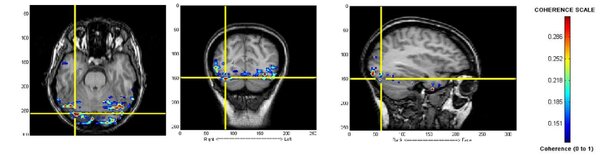
Autism spectrum disorder (ASD) is a complex neurodevelopmental disorder and is difficult to diagnose in young children. Here magnetoencephalography was used to compare the brain activity in patients with ASD to patients in a control group. The results show that patients with ASD have a high level of activity in different areas of the brain than those in the control group.

Read More...

Pancreatic Adenocarcinoma: An Analysis of Drug Therapy Options through Interaction Maps and Graph Theory

Gupta et al. | Feb 04, 2014

Pancreatic Adenocarcinoma: An Analysis of Drug Therapy Options through Interaction Maps and Graph Theory

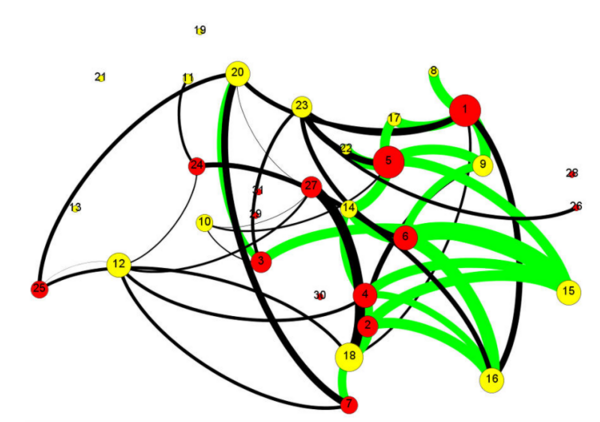
Cancer is often caused by improper function of a few proteins, and sometimes it takes only a few proteins to malfunction to cause drastic changes in cells. Here the authors look at the genes that were mutated in patients with a type of pancreatic cancer to identify proteins that are important in causing cancer. They also determined which proteins currently lack effective treatment, and suggest that certain proteins (named KRAS, CDKN2A, and RBBP8) are the most important candidates for developing drugs to treat pancreatic cancer.

Read More...

Tree-Based Learning Algorithms to Classify ECG with Arrhythmias

Sun et al. | Apr 23, 2025

Tree-Based Learning Algorithms to Classify ECG with Arrhythmias

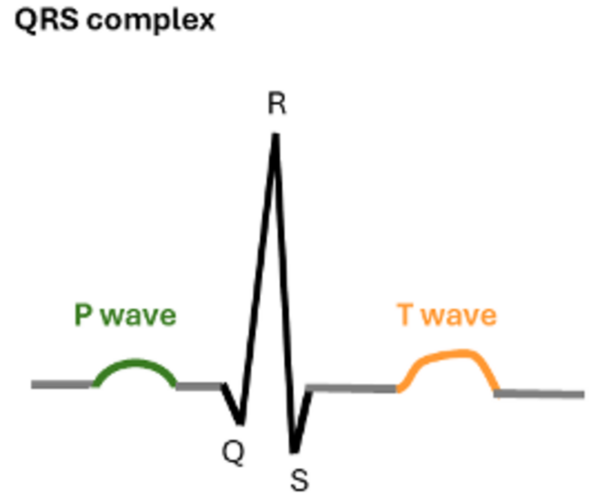
Arrhythmias vary in type and treatment, and ECGs are used to detect them, though human interpretation can be inconsistent. The researchers tested four tree-based algorithms (gradient boosting, random forest, decision tree, and extra trees) on ECG data from over 10,000 patients.

Read More...

Machine learning for retinopathy prediction: Unveiling the importance of age and HbA1c with XGBoost

Ramachandran et al. | Sep 05, 2024

Machine learning for retinopathy prediction: Unveiling the importance of age and HbA1c with XGBoost

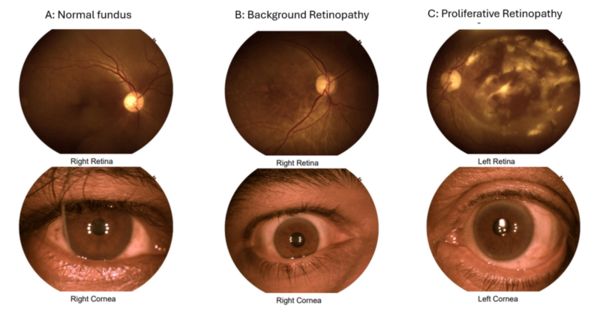
The purpose of our study was to examine the correlation of glycosylated hemoglobin (HbA1c), blood pressure (BP) readings, and lipid levels with retinopathy. Our main hypothesis was that poor glycemic control, as evident by high HbA1c levels, high blood pressure, and abnormal lipid levels, causes an increased risk of retinopathy. We identified the top two features that were most important to the model as age and HbA1c. This indicates that older patients with poor glycemic control are more likely to show presence of retinopathy.

Read More...

Association of agenesis of the corpus callosum with epilepsy and anticonvulsant drug treatment

Steger et al. | Feb 21, 2023

Association of agenesis of the corpus callosum with epilepsy and anticonvulsant drug treatment
Image credit: Robina Weermeijer on Unsplash

Agenesis of the Corpus Callosum (ACC) is a birth defect where an infant’s corpus callosum, the structure linking the brain’s two hemispheres to allow interhemispheric communication, fails to develop in a typical manner during pregnancy. Existing research on the connection between ACC and epilepsy leaves significant gaps, due to the lack of focused investigation. One important gap is the degree to which ACC may impact the course of epilepsy treatment and outcomes. The present study was conducted to test the hypotheses that epilepsy is highly prevalent among individuals with ACC, and that those with both ACC and epilepsy have a lower response rate to anticonvulsant drugs than other patients treated with anticonvulsant drugs. A weighted average of epilepsy rates was calculated from a review of existing literature, which supported the hypothesis that epilepsy was more common among individuals with ACC (25.11%) than in the general population (1.2%). An empirical survey administered to 57 subjects or parents of subjects showed that rate of intractable epilepsy among study subjects with both ACC and epilepsy was substantially higher than the rate found in the general population, indicating that individuals with both conditions had a lower response rate to the anticonvulsant drugs. This study contributes novel results regarding the potential for concurrence of ACC and epilepsy to interfere with anticonvulsant drug treatment. We also discuss implications for how medical professionals may use the findings of this study to add depth to their treatment decisions.

Read More...