Browse Articles

Antibacterial Effects of Copper Surfaces

Mulukutla et al. | May 19, 2020

Antibacterial Effects of Copper Surfaces

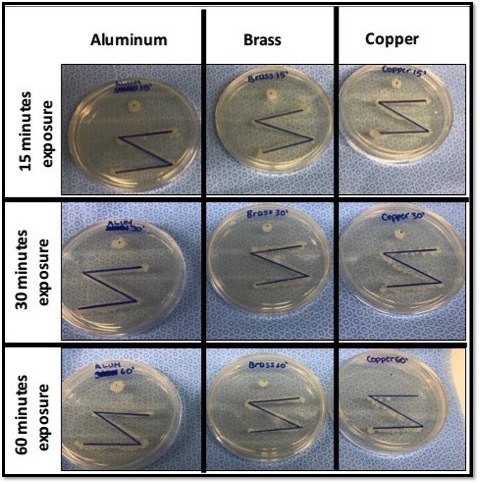
This study examined the ability of copper and copper alloy surfaces to inhibit bacterial growth, which may be help prevent healthcare-associated infections. The authors exposed two non-pathogenic strains of bacteria to different metal plates for varying degrees of time and measured bacterial growth.

Read More...

Machine learning-based enzyme engineering of PETase for improved efficiency in plastic degradation

Gupta et al. | Jan 31, 2023

 Machine learning-based enzyme engineering of PETase for improved efficiency in plastic degradation
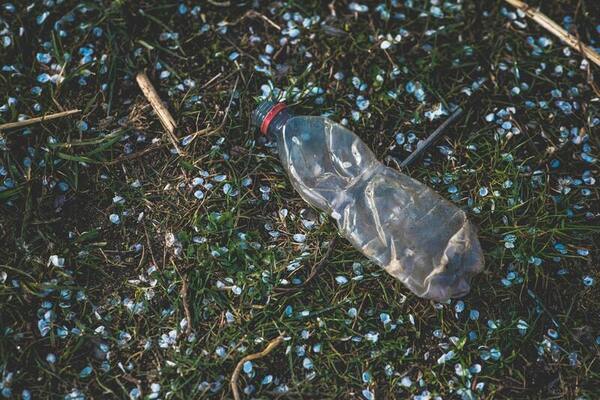
Image credit: Markus Spiske

Here, recognizing the recognizing the growing threat of non-biodegradable plastic waste, the authors investigated the ability to use a modified enzyme identified in bacteria to decompose polyethylene terephthalate (PET). They used simulations to screen and identify an optimized enzyme based on machine learning models. Ultimately, they identified a potential mutant PETases capable of decomposing PET with improved thermal stability.

Read More...

A new therapy against MDR bacteria by in silico virtual screening of Pseudomonas aeruginosa LpxC inhibitors

Liu et al. | Apr 27, 2022

A new therapy against MDR bacteria by <em>in silico</em> virtual screening of <em>Pseudomonas aeruginosa</em> LpxC inhibitors

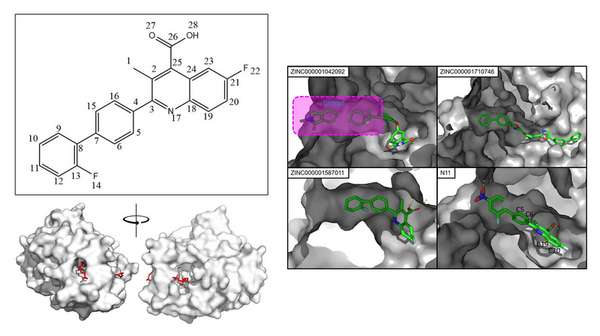
Here, seeking to address the growing threat of multidrug-resistant bacteria (MDR). the authors used in silico virtual screening to target MDR Pseudomonas aeruginosa. They considered a key protein in its biosynthesis and virtually screened 20,000 candidates and 30 derivatives of brequinar. In the end, they identified a possible candidate with the highest degree of potential to inhibit the pathogen's lipid A synthesis.

Read More...

Synthesis of a novel CCR1 antagonist for treatment of glioblastoma

Jan et al. | May 05, 2021

Synthesis of a novel CCR1 antagonist for treatment of glioblastoma

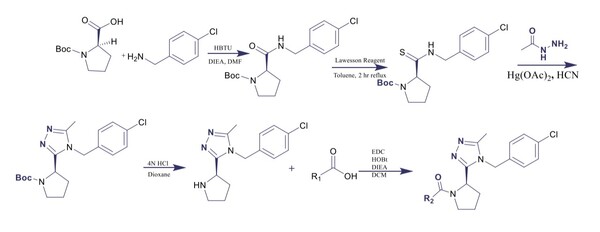
Glioblastoma is a brain cancer caused by the presence of a fast-growing, malignant tumor in the brain. As of now, this cancer is universally lethal due to lack of efficacious treatment options. C-C chemokine receptor 1 (CCR1) is a G-protein coupled receptor that controls chemotaxis, the movement of cells in response to chemical stimuli. This research aims to synthesize potential CCR1 antagonists by coupling carboxylic acids with a triazole core. We synthesized these compounds using a simple carboxylic acid coupling and confirmed the identity of the final compounds using nuclear magnetic resonance (NMR) spectroscopy.

Read More...
Assaying the Formation of Beneficial Biofilms by Lactic Acid Bacteria and the Effect of Ayurvedic Plant Extracts on Their Enhancement

Rajpal et al. | Oct 12, 2017

Assaying the Formation of Beneficial Biofilms by Lactic Acid Bacteria and the Effect of Ayurvedic Plant Extracts on Their Enhancement

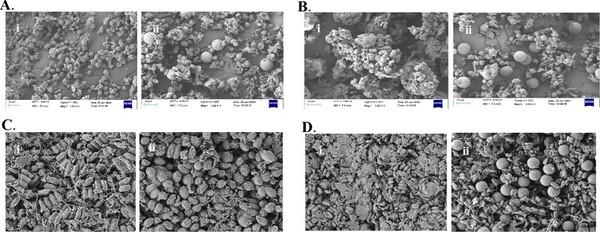
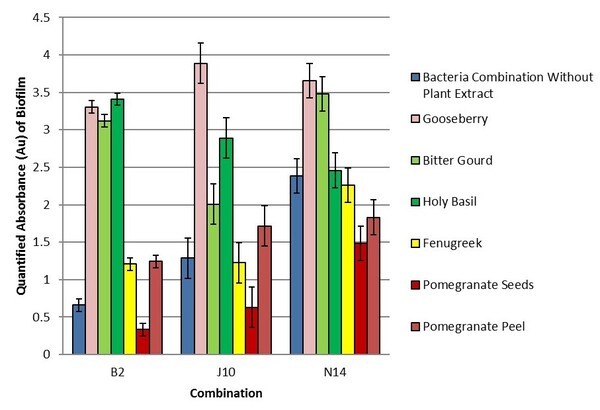
This study aimed to obtain an optimal non-antibiotic method to suppress the growth of pathogenic bacteria within the body. The two-fold purpose of this project was to determine which combination of bacteria would result in the most biofilm formation and then to assess the effect of ayurvedic plant extracts on the biofilm. The results show that the addition of a plant extract can affect the biofilm growth of a bacteria combination. The applications of this study can be used to design probiotic supplements with added beneficial plant extracts.

Read More...

Increasing CO2 levels in water decrease the hatching success of brine shrimp

Greer et al. | Jan 07, 2025

Increasing CO<sub>2</sub> levels in water decrease the hatching success of brine shrimp
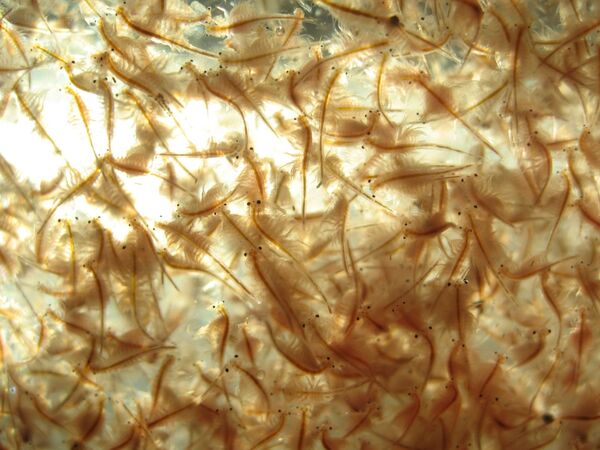
Image credit: "Live brine shrimp" by Saul Dolgin is licensed under CC BY 2.0. To view a copy of this license, visit https://creativecommons.org/licenses/by/2.0/?ref=openverse.

As atmospheric carbon dioxide (CO2) levels rise, ocean acidification poses a growing threat to marine ecosystems. To better understand these changes, this study investigates how varying CO2 levels influence the growth of brine shrimp. The findings offer important insights into the resilience of aquatic life and the broader implications of environmental change.

Read More...