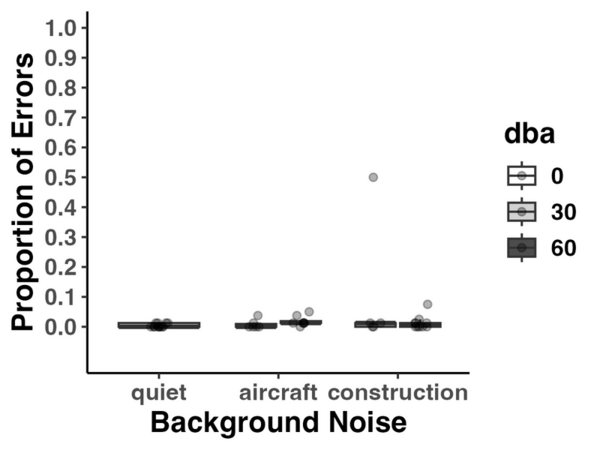
Authors examine the impact of environmental noise on cognitive processes in teenagers, focusing on five different noise conditions: two types of noise (aircraft and construction) at two different decibel levels (30 dBA and 60 dBA) and a quiet condition.
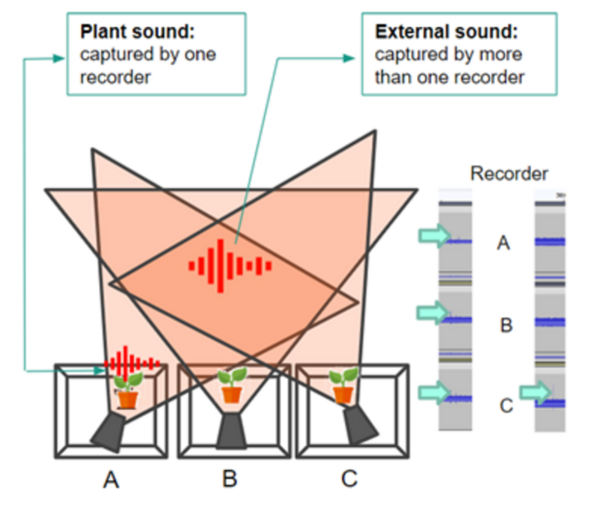
Current horticulture practices often rely on pesticides, causing environmental harm. To address this, authors explore the use of ultrasonic sound emissions to detect plant stress at an individual level.
Reducing paint drying time is an important step in improving production efficiency and reducing costs. The authors hypothesized that decreased humidity would lead to faster drying, ultraviolet (UV) light exposure would not affect the paint colors differently, white light exposure would allow for longer wavelength colors to dry at a faster rate than shorter wavelength colors, and substrates with higher roughness would dry slower. Experiments showed that trials under high humidity dried slightly faster than trials under low humidity, contrary to the hypothesis. Overall, the paint drying process is very much dependent on its surrounding environment, and optimizing the drying process requires a thorough understanding of the environmental factors and their interactive effects with the paint constituents.
In this study, the authors investigate the combinatorial effects of CO2 plus other environmental factors including salinity, temperature, acidity, and drought on how effectively plants can transport water and carbon through their stomata.
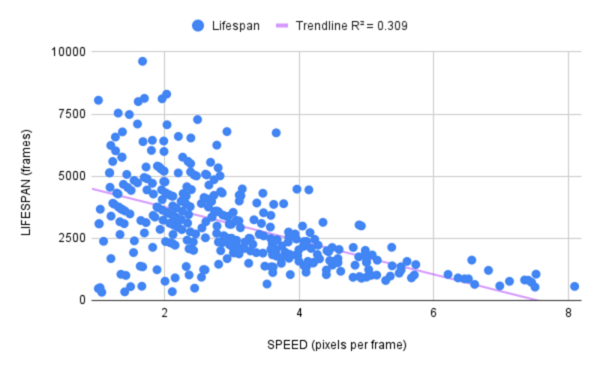
Natural selection shapes the evolution of all organisms, and one question of interest is whether natural selection will reach a "stopping point": a stable, ideal, value for any particular trait. Madhan and Kanagavel tackle this question by building a computer simulation of trait evolution in organisms.
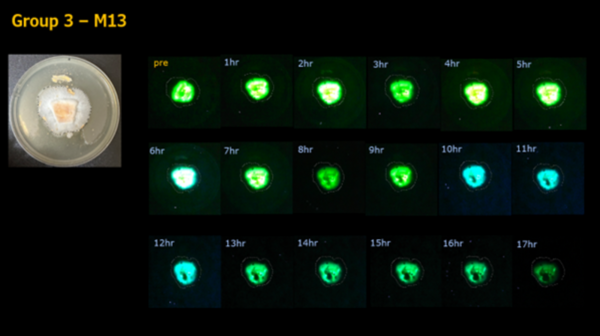
Here the authors investigate the potential of the bioluminescent fungus Panellus stipticus to serve as a sustainable bioindicator for environmental lead contamination. Their findings demonstrate that higher lead concentrations cause a measurable decrease in fungal bioluminescence intensity over time suggesting that the fungus could be an effective tool for detecting lead in an environment.
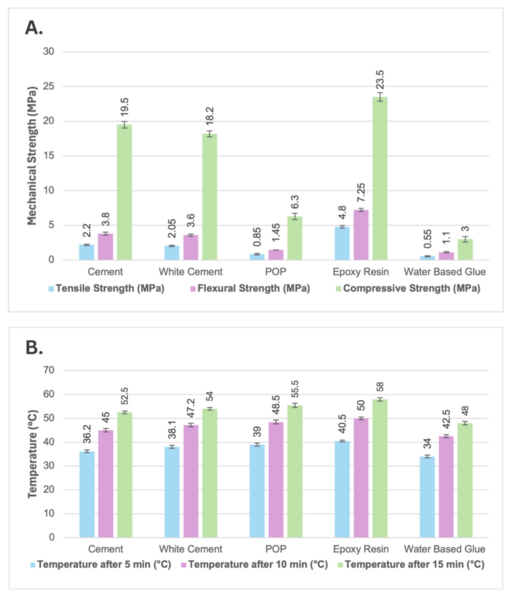
Textile waste from the fashion industry is a major environmental pollutant, but recycling waste into novel building material is a strategy to reduce the negative effects. This manuscript characterized five different binders that can be used to repurpose textile waste into bricks for construction purposes. Water-based glue, cement, white cement, plaster of Paris, and epoxy resin were mixed with shredded textile waste, and the mechanical characteristics and thermal insulation of each brick type were measured. Bricks with increased mechanical strength had the poorest thermal resistance, and the contrasting properties would suit different building purposes. This work provides a first step in generating recycled textile bricks for construction in a circular economy framework.
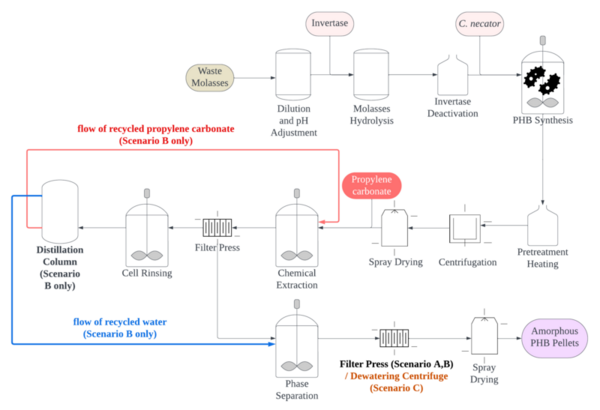
The authors looked at alternative production processes for PHB plastic in an effort to reduce environmental impact. They found that no alternative process was able to significantly decrease the environmental impact of PHB production, but that optimizing dewatering steps during production could lead to the largest improvement on environmental impact.
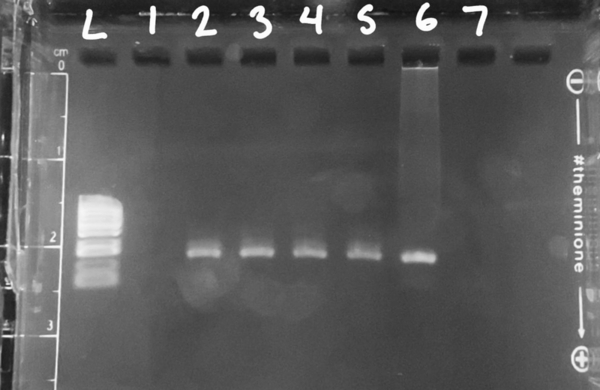
This study explored the use of environmental DNA (eDNA) methods to detect native Hawaiian decapod species (‘opae), which are difficult to observe manually due to their low density.
The authors looked at student behaviors around disposal of face masks. The goal of the study was to bring awareness to improper mask disposal and how the resulting litter contributes to overall environmental pollution.