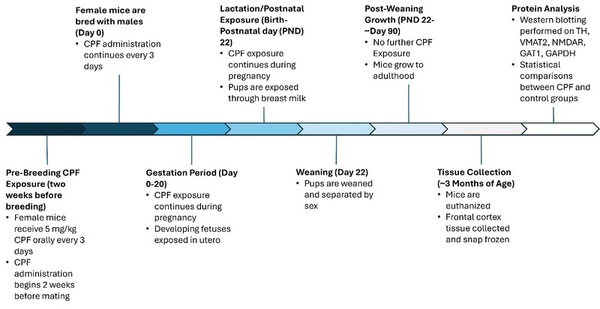
The authors test the effect of insecticide exposure on mouse neurodevelopment.
Read More...Chlorpyrifos exposure in mice leads to altered expression of key neurodevelopmental proteins
Exposure to Schistosoma mansoni antigen induces an allergic response to peanuts in an American cockroach model
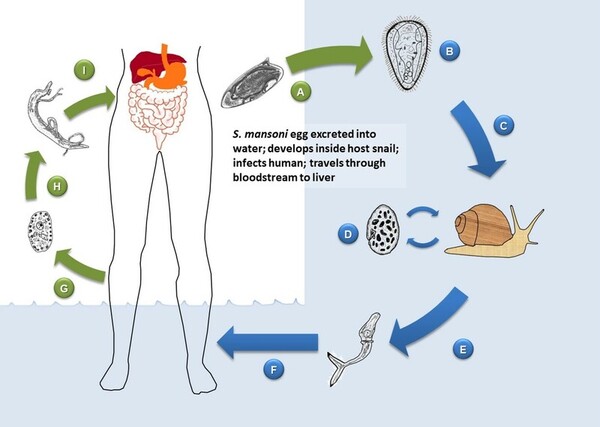
Pillai et al. look at whether exposure to Schistosoma mansoni, a parasitic blood fluke, has any relation to peanut allergies. They found that cockroaches exposed to an antigen found in S. mansoni eggs exhibited an allergic reaction to peanuts.
Read More...The Effect of Sunglass Price on Ocular Exposure to Ultraviolet Radiation
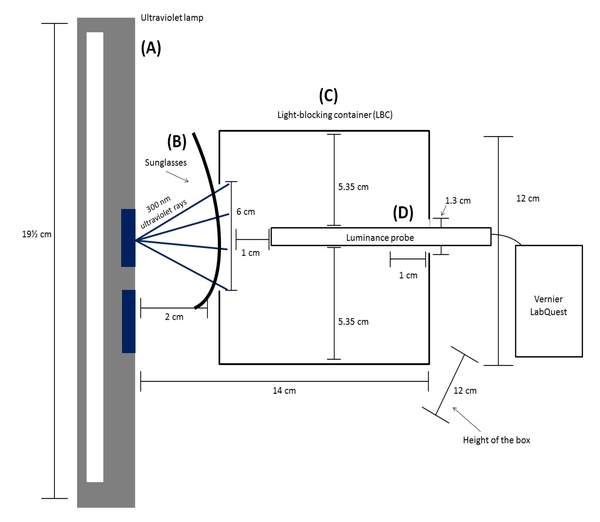
Wearing sunglasses may offer protection against the negative health outcomes linked to exposure to ultraviolet waves. In this study, the authors test whether more expensive sunglasses offer better UV protection.
Read More...Ultraviolet exposure and thermal mass variation on surface temperature responses in building materials
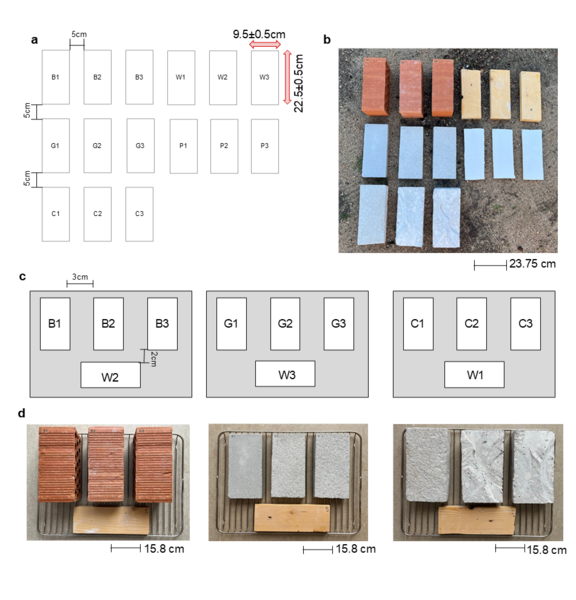
The authors studied the response of various construction materials to UV solar radiation and heat.
Read More...Parental exposure of cannabinoids THC and CBD reduces reproductive rates in Drosophila melanogaster
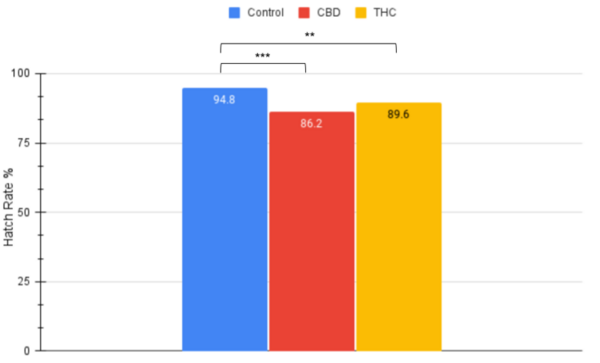
The authors looked at whether CBD and THC would decrease reproductive rates in a Drosophila melanogaster model. They found that CBD had a greater impact on reducing hatching rates than THC, and that THC resulted in unexpected mortalities.
Read More...An Experiment to Assess the Usefulness of a Virtual Environment as a Method of Public Speaking Anxiety Exposure
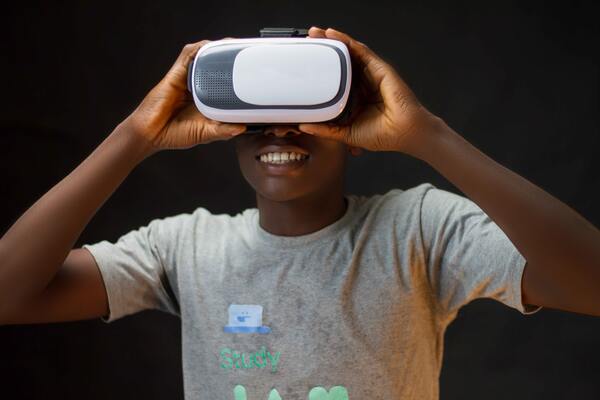
This experiment assessed the effectiveness of a virtual environment as a method of exposure in the treatment of high school students’ public speaking anxiety. The results show that participants’ heartbeat was higher when they wore a VR headset than when they did not.
Read More...Longer Exposure to 2% India Ink Increases Average Number of Vacuoles in Tetrahymena pyriformis
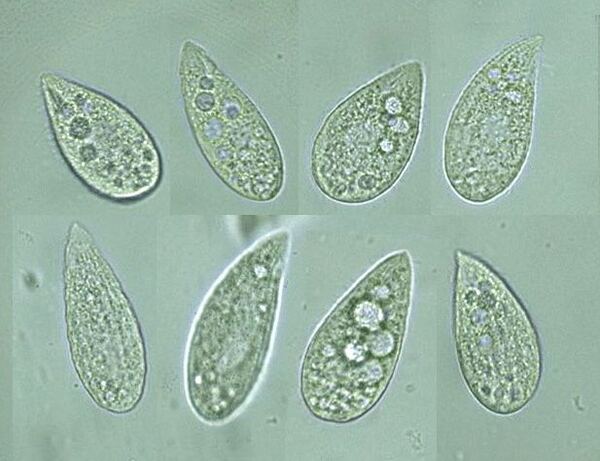
Phagocytes feed by forming food vacuoles. In this article the authors investigate the extent that exposure of non-nutritional food, such as India Ink, to Tetrahymena pyriformis affects the number of vacuole formation. These studies provide insight to how organisms budget their energy and metabolic processes during an energy shortage.
Read More...Mitigating microplastic exposure from water consumption in junior high students and teachers
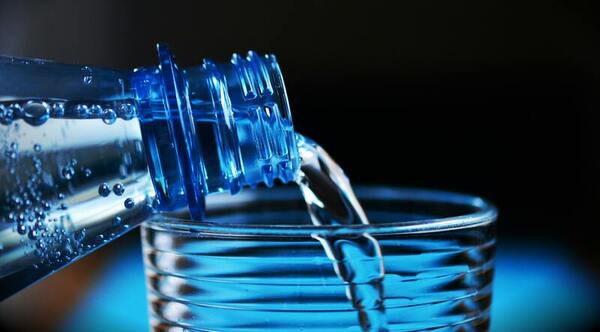
Microplastics (MPs) are inorganic material that have been observed within items destined for human consumption, including water, and may pose a potential health hazard. Here we estimated the average amount of MPs junior high students and teachers consumed from different water sources and determined whether promoting awareness of microplastic (MP) exposure influenced choice of water source and potential MPs consumed.
Read More...Effects of copper sulfate exposure on the nervous system of the Hirudo verbana leech
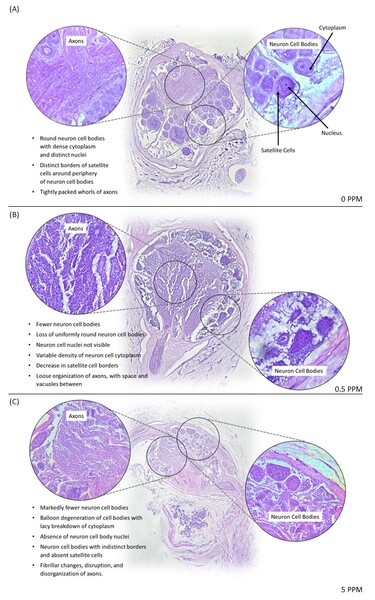
In this study, the authors test whether excess copper exposure has neurobehavioral effects on Hirudo verbana leeches.
Read More...Increased carmine red exposure periods yields a higher number of vacuoles formed in Tetrahymena pyriformis
.jpeg)
T. pyriformis can use phagocytosis to create vacuoles of carmine red, a dye which is made using crushed insects and is full of nutrients. Establishing a relationship between vacuole formation and duration of exposure to food can demonstrate how phagocytosis occurs in T. pyriformis. We hypothesized that if T. pyriformis was incubated in a carmine red solution, then more vacuoles would form over time in each cell.
Read More...