Browse Articles

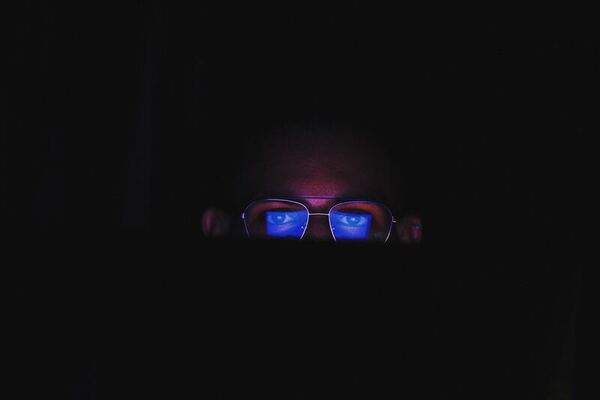
Blue light blocking glasses: do they do what they promise?

Lee et al. | Dec 13, 2023

Blue light blocking glasses: do they do what they promise?
Image credit: nacer eddine

With increased screen time and exposure to blue light, an increasing number of people have sleep deprivation. Blue light suppresses the release of melatonin and hinders sleep at night. We hypothesized that people could get a greater amount of sleep by controlling the blue light exposure from screen time before bedtime. BBG’s effect on reducing time to fall asleep was significant within the teenage group, but not significant in the adult group. This indicated that BBG could improve the time taken to sleep for young teenagers post screen time in the evening.

Read More...
Comparative singlet oxygen photosensitizer efficiency of berberine, rose bengal, and methylene blue by time course nuclear magnetic resonance (NMR) monitoring of a photochemical 4+2 cycloaddition endoperoxide formation

Su et al. | May 14, 2021

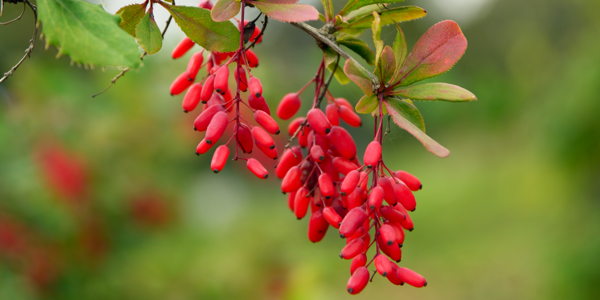
Comparative singlet oxygen photosensitizer efficiency of berberine, rose bengal, and methylene blue by time course nuclear magnetic resonance (NMR) monitoring of a photochemical 4+2 cycloaddition endoperoxide formation

Berberine, a natural product alkaloid, has been shown to exert biological activity via in situ production of singlet oxygen when photo irradiated. Berberine utilizes singlet oxygen in its putative mechanism of action, wherein it forms an activated complex with DNA and photosensitizes triplet oxygen to singlet oxygen to specifically oxidize guanine residues, thereby halting cell replication and leading to cell death. This has potential application in photodynamic therapy, alongside other such compounds which also act as photosensitizers and produce singlet oxygen in situ. The quantification of singlet oxygen in various photosensitizers, including berberine, is essential for determining their photosensitizer efficiencies. We postulated that the singlet oxygen produced by photoirradiation of berberine would be superior in terms of singlet oxygen production to the aforementioned photosensitizers when irradiated with UV light, but inferior under visible light conditions, due to its strong absorbance of UV wavelengths.

Read More...

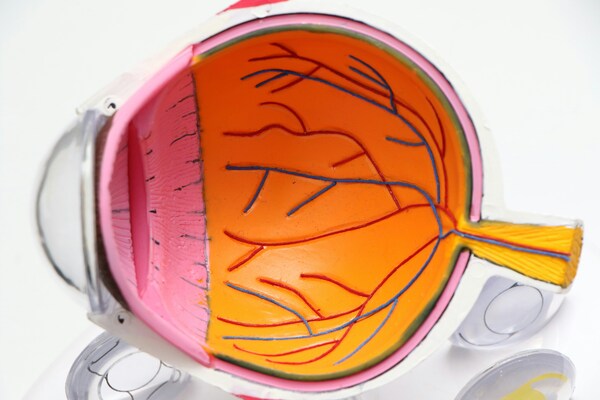
Eye color, visual acuity and photophobia: How eye color affects light sensitivity

Spencer et al. | May 20, 2026

Eye color, visual acuity and photophobia: How eye color affects light sensitivity

This study examined whether eye color affects photophobia and vision in elementary school students and staff, finding no significant relationship between eye color, light sensitivity, or visual acuity. However, photophobia was common across age groups, highlighting the need for greater awareness of light sensitivity in learning environments.

Read More...

Role of Environmental Conditions on Drying of Paint

Aggarwal et al. | Feb 20, 2021

Role of Environmental Conditions on Drying of Paint

Reducing paint drying time is an important step in improving production efficiency and reducing costs. The authors hypothesized that decreased humidity would lead to faster drying, ultraviolet (UV) light exposure would not affect the paint colors differently, white light exposure would allow for longer wavelength colors to dry at a faster rate than shorter wavelength colors, and substrates with higher roughness would dry slower. Experiments showed that trials under high humidity dried slightly faster than trials under low humidity, contrary to the hypothesis. Overall, the paint drying process is very much dependent on its surrounding environment, and optimizing the drying process requires a thorough understanding of the environmental factors and their interactive effects with the paint constituents.

Read More...

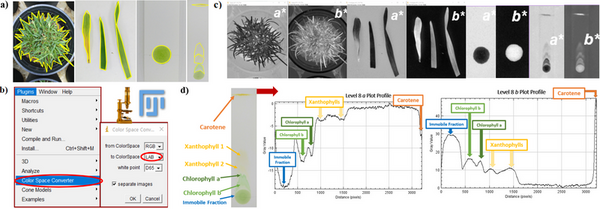
Assessing grass water use efficiency through smartphone imaging and ImageJ analysis

Shen et al. | Jul 27, 2022

Assessing grass water use efficiency through smartphone imaging and ImageJ analysis

Overwatering and underwatering grass are widespread issues with environmental and financial consequences. This study developed an accessible method to assess grass water use efficiency (WUE) combining smartphone imaging with open access color unmixing analysis. The method can be applied in automated irrigation systems or apps, providing grass WUE assessment for regular consumer use.

Read More...

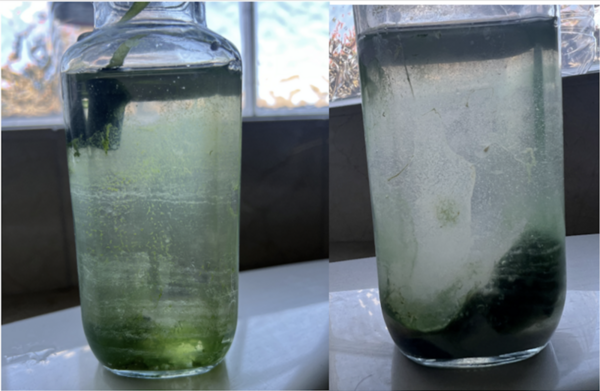
The effects of algaecides on Spirulina major and non-target organism Daphnia magna

Halepete et al. | Oct 09, 2023

The effects of algaecides on <i>Spirulina major</i> and non-target organism <i>Daphnia magna</i>
Image credit: The authors

Algal blooms pose a threat to ecosystems, but the methods used to combat these blooms might harm more than just the algae. Halepete, Graham, and Lowe-Schmahl demonstrate negative effects of anti-algae treatments on a cyanobacterium (Spirulina major), and the water fleas (Daphnia magna) that live alongside these cyanobacteria.

Read More...

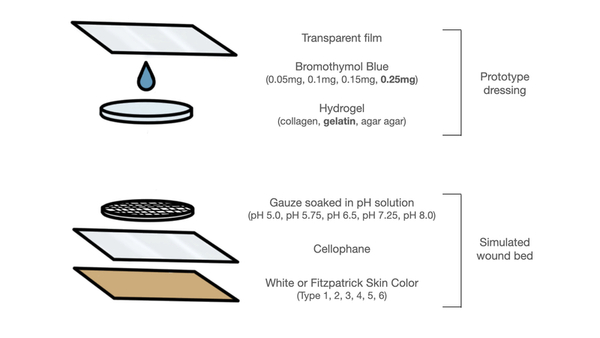
Development of a pH-sensing hydrogel wound dressing for early infection monitoring for all skin color types

L. Chong et al. | Sep 07, 2026

Development of a pH-sensing hydrogel wound dressing for early infection monitoring for all skin color types

This paper develops a gelatin-based hydrogel dressing infused with bromothymol blue dye that visibly changes from yellow to blue as wound pH rises from 5.0 to 8.0, signaling possible infection. The color shift was visually detectable and statistically significant across all six Fitzpatrick skin tones, suggesting a low-cost ($0.40/dressing) tool for early infection monitoring in settings with limited access to care.

Read More...